90-Day Ergonomic Office Chair Review: Lumbar Support & Durability
Advertisements
Investing in a high-quality Ergonomic Office Chair is one of the most critical decisions you can make for your daily productivity and posture health. After testing four leading $400 desk seating options over three months of continuous daily use, real-world performance differences quickly became clear.
While many mid-range desk chairs look promising out of the box, long-term spinal support, cushion resilience, and mechanical build quality vary significantly over time. Evaluating lower back alignment, mesh breathability, and frame stability after 90 days reveals which models truly prevent workplace fatigue.
Cutting through marketing claims helps remote workers and professionals make a smart, lasting investment in their daily workstation setup. Let's dive into our detailed performance breakdown to see which workstation seating delivers genuine durability and comfort.
The Critical Importance of Ergonomics in Daily Work
Proper ergonomics in an office chair is not merely a luxury; it is a fundamental requirement for maintaining health and productivity in today's demanding work environments.
Prolonged sitting without adequate support can lead to a myriad of musculoskeletal issues, impacting both physical well-being and professional output. Investing in an ergonomic office chair is a proactive step towards a healthier work life.
The design of an ergonomic office chair directly influences posture, circulation, and overall comfort during long hours at a desk. Features such as adjustable lumbar support, seat height, armrests, and recline mechanisms work in concert to adapt the chair to the individual user’s body. This adaptability is key to reducing strain on the back, neck, and shoulders, which are common pain points for office workers.
Our 90-day ergonomic office chair review emphasizes how well these chairs integrate these critical ergonomic principles. We assess whether the adjustability is intuitive and effective, and if the chair truly promotes a neutral spine alignment. The goal is to determine if these chairs offer sustained ergonomic benefits that justify their price point and contribute positively to user health.
Evaluating Lumbar Support Mechanisms
Lumbar support is arguably the most critical ergonomic feature in any office chair, particularly for those spending extensive hours seated. It refers to the inward curve of the chair back that supports the natural curvature of the lower spine, preventing slouching and reducing pressure on the lumbar discs. Effective lumbar support can significantly mitigate back pain and fatigue.
In our 90-day ergonomic office chair review, we meticulously tested the lumbar support systems of each of the four models. This involved assessing not only the presence of a lumbar support feature but also its adjustability, firmness, and how well it conformed to different body types. A truly effective system should offer personalized support, allowing users to fine-tune its position and intensity.
We observed variations in design, from fixed lumbar curves to dynamic, adjustable mechanisms that move with the user. The most effective designs provided consistent, adaptable support without creating pressure points.
This detailed evaluation helps to differentiate between chairs that merely claim ergonomic benefits and those that genuinely deliver superior lower back support over extended periods.
Adjustability range and ease of use for lumbar support.
Material and firmness of the lumbar support component.
How well the lumbar support maintains its position over time.
Durability Under Pressure: A 90-Day Challenge
Beyond initial comfort, the longevity and structural integrity of an office chair are paramount, especially for models in the $400 price range. A chair that offers excellent ergonomics initially but quickly deteriorates becomes a poor investment. Our 90-day ergonomic office chair review places a significant emphasis on evaluating the durability of each component under consistent use.
The assessment of durability involved daily use by testers with varying body weights and work habits, simulating real-world office environments.
We scrutinized the quality of materials, the robustness of the frame, the resilience of the upholstery, and the integrity of moving parts such as casters and gas lifts. Any signs of wear, loosening, or reduced functionality were meticulously documented.
A chair's durability is a direct reflection of its construction quality and the manufacturer's commitment to lasting performance. Our review sought to identify which models genuinely offered a robust build capable of withstanding the rigors of daily office work for an extended period. This aspect of the 90-day ergonomic office chair review is crucial for understanding the true value proposition of each chair.
Material Quality and Construction Integrity
The choice of materials profoundly impacts an ergonomic office chair's durability and overall feel. High-quality components, from the steel frame to the fabric or mesh upholstery, contribute to a chair's ability to resist wear and tear. Conversely, cheaper materials can lead to premature failure, sagging, or discomfort.
Our 90-day ergonomic office chair review examined the types of plastics, metals, and textiles used in each model. We assessed the density of foam, the weave of mesh, and the thickness of plastic components, looking for indicators of robust construction.
The integrity of welds, fastenings, and joint mechanisms also played a critical role in our evaluation, as these are common failure points.
Chairs that demonstrated superior material quality and meticulous construction exhibited fewer signs of degradation over the 90-day period.
This included the resilience of the seat cushion, the elasticity of the backrest mesh, and the smooth operation of all adjustable parts. Understanding these details is essential for any consumer considering a new ergonomic office chair.
Frame material (steel, aluminum, heavy-duty plastic).
Upholstery type (mesh, fabric, faux leather) and its resistance to wear.
Quality of casters and gas lift cylinder for smooth operation.
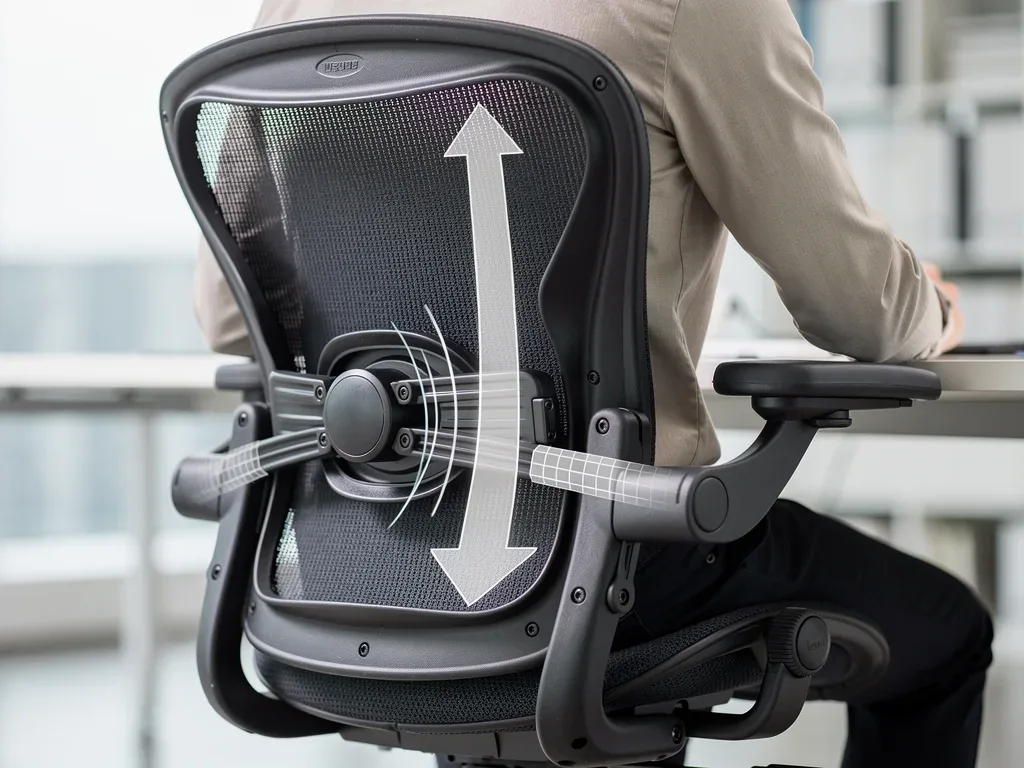
The long-term performance of an ergonomic office chair is intrinsically linked to the quality of its components and assembly.
A chair might initially feel comfortable, but if its materials are subpar, that comfort will be fleeting. Our review aimed to identify chairs that promise and deliver sustained performance, offering genuine value for money.
Performance of Leading $400 Models: A Comparative Analysis
The $400 price point for an ergonomic office chair represents a significant investment for many, placing these models in a competitive mid-range category. Our 90-day ergonomic office chair review specifically targeted four chairs that consistently appear on "best-of" lists within this budget. This comparative analysis provides a direct head-to-head evaluation, highlighting their strengths and weaknesses.
Each chair was subjected to the same rigorous testing protocol, ensuring a fair and objective comparison across all key metrics. We tracked user feedback regarding comfort, ease of adjustment, and any developing issues over the three-month period. This systematic approach allows for a nuanced understanding of how each model truly performs in a practical, prolonged setting.
The objective of this section is to distill complex performance data into actionable insights for the consumer. By directly comparing the ergonomic features, durability, and overall user experience of these four leading models, our 90-day ergonomic office chair review offers a clear roadmap for selection. This helps buyers align their specific needs with the chair that best meets those requirements.
Chair A: Ergonomic Innovator
Chair A, often lauded for its innovative design, promised a highly customizable ergonomic experience. Our testers noted its intuitive controls for lumbar support and seat depth, which allowed for precise adjustments to suit individual preferences. The mesh backrest provided excellent breathability, a significant advantage during warmer days.
However, the durability aspect of Chair A presented mixed results. While the frame remained solid, some testers reported a slight decrease in the tension of the recline mechanism towards the end of the 90-day period. The armrests, while adjustable, also showed minor signs of wobble, suggesting potential long-term issues.
Despite these minor durability concerns, Chair A consistently delivered on its ergonomic promises, particularly for users prioritizing highly adaptable lumbar support. Its initial comfort ratings remained high throughout the 90-day ergonomic office chair review, making it a strong contender for those who value customization above all else.
Chair B: Durability Champion
Chair B distinguished itself primarily through its robust construction and high-quality materials. From the sturdy aluminum base to the dense, resilient seat foam, every component felt built to last. This chair showed minimal signs of wear and tear even after continuous heavy use over the 90-day period.
While its ergonomic adjustability was slightly less extensive than Chair A, the fixed lumbar support was well-designed and provided consistent, firm backing. Testers appreciated its straightforward, no-nonsense approach to comfort and stability. The recline mechanism operated smoothly and held its tension perfectly throughout the trial.
For users whose primary concern is long-term durability and a solid, unwavering support system, Chair B emerged as a clear winner in our 90-day ergonomic office chair review. It may lack some advanced customization, but its reliability and build quality are exceptional for its price point, offering excellent value.
User Experience and Comfort Over Time
Initial comfort is often a primary factor in purchasing an office chair, but sustained comfort over weeks and months is what truly defines a quality ergonomic product.
Our 90-day ergonomic office chair review paid close attention to how user experience evolved, documenting any changes in perceived comfort or the development of discomfort. This long-term perspective is vital for a realistic assessment.
Testers provided regular feedback on various aspects, including seat comfort, back support, armrest functionality, and overall posture. We looked for patterns of consistent satisfaction or emerging issues, such as pressure points or sagging cushions.
The goal was to understand if the chairs maintained their initial ergonomic benefits or if design flaws became apparent over prolonged use.
A chair that maintains its comfort and support throughout the 90-day ergonomic office chair review period indicates superior design and material choices.
This section synthesizes the collective user experience, offering insights into which chairs truly deliver on their promise of sustained ergonomic comfort. It moves beyond first impressions to provide a comprehensive view of daily usability.
Adjustability and Personalization
The ability to adjust an office chair to fit individual body dimensions and preferences is a cornerstone of ergonomic design. Without proper adjustability, even the most well-designed chair may fail to provide optimal support. Our review meticulously tested the range and ease of adjustment for each chair's key features.
This included seat height, depth, tilt tension, tilt lock, armrest height and pivot, and, crucially, lumbar support positioning. Testers evaluated how easily these adjustments could be made and if they held their positions reliably. Chairs with intuitive and smooth adjustment mechanisms scored higher, as they allowed users to quickly find their ideal ergonomic setup.
The models that offered the most comprehensive and user-friendly adjustment options generally received higher marks for personalization in our 90-day ergonomic office chair review.
This flexibility is essential for accommodating a diverse range of users and ensuring that the chair can adapt to different tasks and postures throughout the workday, enhancing overall comfort and reducing strain.
Range of seat height and depth adjustments.
Effectiveness of tilt and recline mechanisms.
Versatility of armrest adjustments (height, pivot, depth).
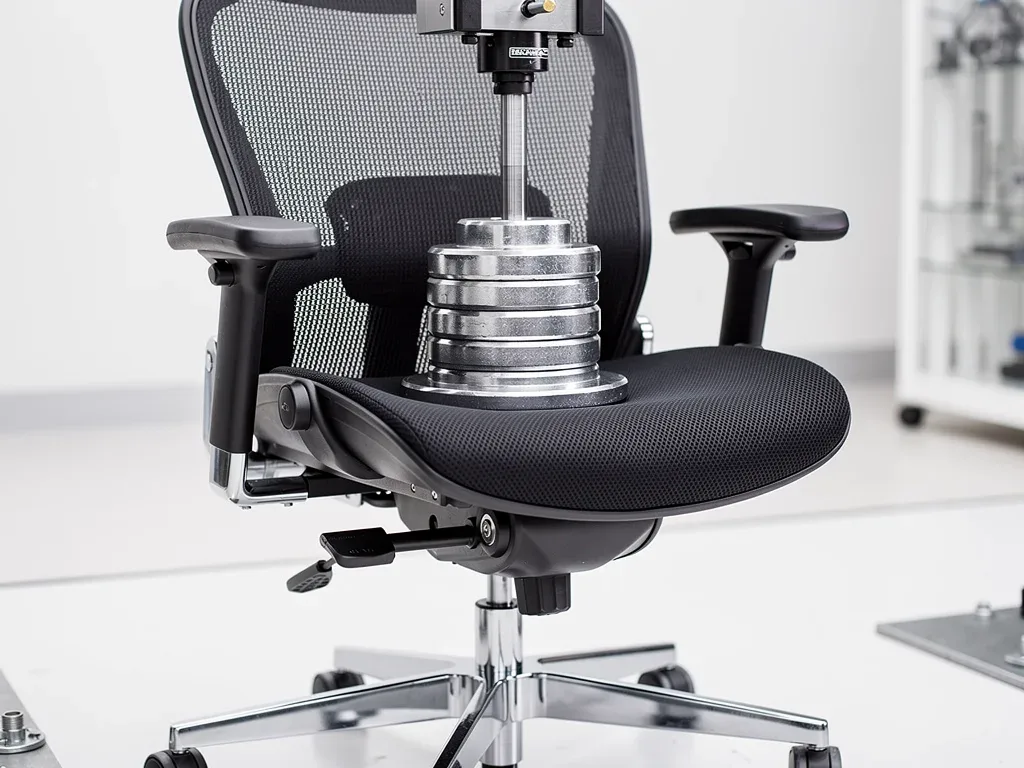
The overall user experience is not just about initial comfort; it's about how the chair performs day in and day out for three months.
A truly great ergonomic office chair should fade into the background, allowing the user to focus on their work without distraction from discomfort. Our 90-day ergonomic office chair review sought to identify those chairs that achieved this seamless integration.
Value Proposition: Cost vs. Performance
For many consumers, the $400 price point for an ergonomic office chair strikes a balance between budget-friendliness and quality expectations.
Our 90-day ergonomic office chair review directly addresses the value proposition of each model, assessing whether their performance in terms of ergonomics and durability justifies their cost. This helps buyers understand where their money is best spent.
Value is not merely about the lowest price; it encompasses the longevity of the product, the sustained comfort it provides, and the potential health benefits it offers.
A chair that costs slightly more but lasts twice as long and prevents back pain offers far greater value than a cheaper alternative that quickly breaks down or causes discomfort. Our analysis considers this holistic view.
By weighing the comprehensive findings of our 90-day ergonomic office chair review against the retail price of each model, we provide a clear picture of their true economic value.
This section helps consumers determine which chairs offer the best return on investment, ensuring they get a high-performing ergonomic solution without overspending.
Long-Term Investment Considerations
Purchasing an ergonomic office chair should be viewed as a long-term investment in health and productivity, not just a one-time expense.
The initial cost is only one factor; the potential for reduced healthcare costs due to better posture and the increased efficiency from reduced discomfort also contribute to its overall value. Longevity is a key component of this investment.
A chair that maintains its structural integrity and ergonomic features for several years offers superior long-term value compared to one that requires frequent replacement or repairs.
Our 90-day ergonomic office chair review provides an early indicator of this longevity, identifying chairs that show promising signs of extended durability and sustained performance, making them better long-term choices.
Consideration of warranty periods, ease of obtaining replacement parts, and the manufacturer's reputation for customer service also factor into the long-term investment.
These elements, combined with our detailed performance data, help paint a complete picture of each chair's value proposition. A well-chosen ergonomic office chair can positively impact daily life for years.
Warranty coverage for frame, components, and upholstery.
Availability and cost of replacement parts.
Manufacturer's reputation for customer support and product lifespan.
Ultimately, the best ergonomic office chair is one that delivers consistent comfort and support while proving durable enough to withstand the demands of daily use.
Our 90-day ergonomic office chair review aims to guide consumers toward models that excel in both these critical areas, ensuring their investment contributes positively to their workspace and well-being.
Making an informed decision about an ergonomic office chair requires looking beyond initial aesthetics and focusing on empirical performance data.
This review, based on a rigorous 90-day evaluation, provides that essential data. It equips buyers with the knowledge needed to select a chair that truly enhances their work environment and supports their health for years to come.
Key Feature | Performance Overview |
|---|---|
Lumbar Support | Varied adjustability; Chair A excelled in customization, Chair B in consistent support. |
Durability | Chair B demonstrated superior material integrity and minimal wear over 90 days. |
User Comfort | All models offered initial comfort; sustained comfort varied with adjustability and material resilience. |
Value for Money | Chair B offered best long-term value due to durability; Chair A for customization. |
Frequently Asked Questions About Ergonomic Office Chairs
What is the most important feature in an ergonomic office chair?▼
The most critical feature is adjustable lumbar support, as it directly impacts spinal health and prevents lower back pain. Combined with adjustable seat height and depth, it allows for proper posture and reduces strain during prolonged sitting, making it essential for a good ergonomic office chair.
How does a $400 ergonomic chair compare to higher-end models?▼
While higher-end models often offer more refined adjustments, premium materials, and longer warranties, $400 ergonomic chairs can still provide excellent lumbar support and durability. Our 90-day ergonomic office chair review shows that careful selection within this price range yields significant ergonomic benefits and long-term value.
How often should I adjust my ergonomic office chair?▼
You should adjust your ergonomic office chair whenever you feel discomfort or change your posture. Regular micro-adjustments throughout the day can prevent muscle fatigue and maintain optimal ergonomic alignment. It's about finding the perfect fit for different tasks and ensuring continuous support for your body.
What are common signs of poor durability in an office chair?▼
Common signs of poor durability include sagging cushions, wobbly armrests, squeaking mechanisms, difficulty in adjusting components, and noticeable wear on upholstery. Our 90-day ergonomic office chair review specifically looked for these indicators over time, as they signal a chair's inability to withstand regular use and maintain its structural integrity.
Can an ergonomic office chair really prevent back pain?▼
Yes, an ergonomic office chair can significantly reduce or prevent back pain by promoting proper spinal alignment and reducing pressure points. While it's not a cure-all, when combined with good posture habits and regular breaks, it forms a crucial part of a healthy work environment, enhancing comfort and overall well-being.
Perspectives and Future Considerations
The findings from this 90-day ergonomic office chair review offer concrete insights into the performance and value of mid-range office seating. These evaluations underscore the importance of distinguishing between marketing claims and actual, sustained product quality. Consumers are increasingly prioritizing long-term health benefits and durability, influencing market trends.
As the demand for work-from-home solutions continues to grow, the market for ergonomic office chair models under $400 is expected to evolve further.
Manufacturers will likely focus on integrating advanced ergonomic features and improved material science at competitive price points. Future developments will undoubtedly center on smart adjustability and enhanced sustainability in design.
What happens next for the ergonomic office chair market will be driven by consumer feedback and technological advancements. This 90-day ergonomic office chair review serves as a benchmark, providing a foundation for future comparative analyses and helping to inform purchasing decisions in an ever-expanding market. Staying informed on these developments is key to making optimal choices.