Top 5 Smart Home Devices for Energy Savings in 2025: 15% Reduction Potential
Advertisements
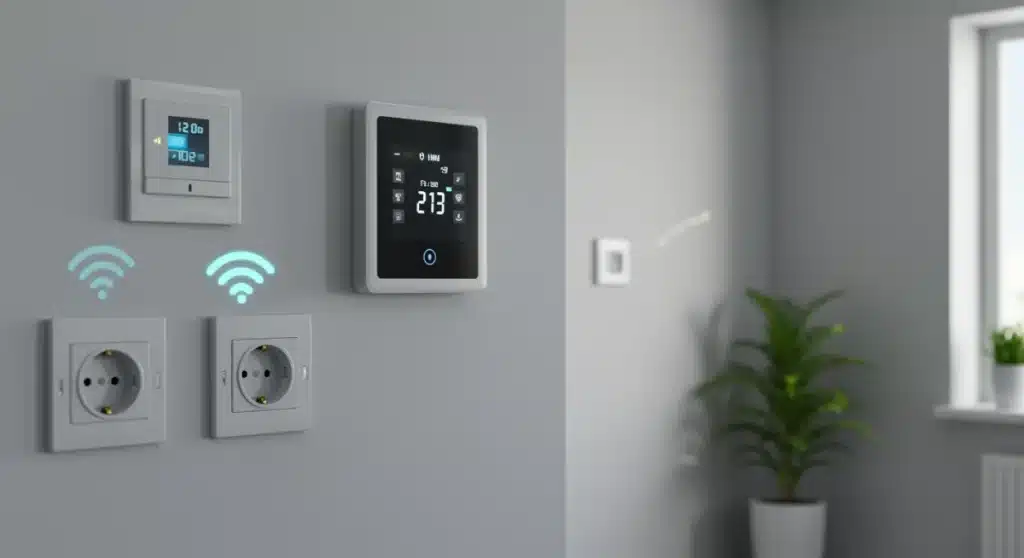
The top 5 smart home devices for 2025 offer homeowners significant energy savings, with potential reductions of up to 15% through intelligent automation and real-time monitoring.
Are you looking to trim down your utility bills and make your home more environmentally friendly? The landscape of smart home technology in 2025 presents incredible opportunities for energy efficiency. This hands-on review explores the top 5 smart home devices for energy savings in 2025, detailing how they can help you achieve a potential 15% reduction in your energy consumption.
Advertisements
The Rise of Smart Thermostats: Intelligent Climate Control
Smart thermostats have evolved far beyond simple programmable models, becoming central to household energy management. These devices learn your preferences, adapt to external conditions, and offer unparalleled control, making them indispensable for anyone serious about reducing their energy footprint.
Their ability to integrate with other smart home systems and respond to real-time data, such as local weather forecasts, allows for optimized heating and cooling schedules. This proactive approach prevents energy waste, ensuring comfort without overspending.
Adaptive Learning and Geofencing
Modern smart thermostats excel at adaptive learning, observing your routine over time to create an efficient heating and cooling schedule automatically. This means less manual adjustment and more consistent savings.
- They learn preferred temperatures for different times of day.
- They adjust automatically when you’re away from home.
- They optimize for peak and off-peak energy rates.
Geofencing capabilities further enhance their efficiency. By using your smartphone’s location, the thermostat can automatically adjust the temperature when you leave or approach your home. This ensures energy isn’t wasted heating or cooling an empty house, but also guarantees a comfortable environment upon your return.
Integration with Energy Monitoring Systems
The true power of smart thermostats in 2025 lies in their seamless integration with broader energy monitoring platforms. This allows for a holistic view of your home’s energy consumption, identifying patterns and areas for further optimization. Many models provide detailed reports, empowering homeowners with actionable insights.
Understanding how your HVAC system contributes to overall energy use is crucial for significant savings. Smart thermostats provide this data, helping you make informed decisions about insulation upgrades or equipment maintenance. Their impact on reducing heating and cooling costs alone can account for a substantial portion of the 15% reduction potential.
In conclusion, smart thermostats are foundational to any energy-saving smart home strategy. Their advanced features, from adaptive learning to comprehensive energy reporting, make them a top contender for immediate and long-term savings, providing both comfort and significant reductions in energy waste.
Smart Lighting Systems: Efficiency Beyond LEDs
Gone are the days when smart lighting simply meant remote control over your bulbs. In 2025, these systems are sophisticated networks designed to maximize energy efficiency through automation, presence detection, and dynamic light management. They offer significant savings by ensuring lights are only on when and where they’re needed.
Beyond the inherent efficiency of LED technology, smart lighting systems introduce layers of intelligence that drastically cut down on wasted electricity. This includes everything from occupancy sensors to daylight harvesting capabilities, making them an essential component for a truly energy-efficient home.
Occupancy and Motion Sensors
A core feature of advanced smart lighting is the integration of occupancy and motion sensors. These sensors detect when a room is empty and automatically turn off the lights, or dim them if there’s sufficient natural light. This simple yet effective automation prevents lights from being left on unnecessarily.
- Lights turn off automatically when no one is present.
- Adjusts brightness based on activity levels.
- Reduces energy consumption in low-traffic areas.
This technology is particularly impactful in areas like hallways, bathrooms, and utility rooms where lights are often forgotten. The cumulative effect of these small savings across an entire home can be quite substantial, contributing positively to the overall 15% energy reduction goal.
Daylight Harvesting and Scheduling
Smart lighting systems in 2025 are adept at daylight harvesting, utilizing ambient light sensors to automatically adjust indoor lighting levels. If natural light is abundant, artificial lights dim or turn off, saving energy without compromising visibility. This intelligent response to environmental conditions is a game-changer.
Furthermore, robust scheduling features allow homeowners to set specific times for lights to turn on, off, or dim. This can be synchronized with daily routines, sunrise/sunset times, or even vacation modes to create the illusion of occupancy while saving energy. The combination of these features makes smart lighting a powerful tool in your energy-saving arsenal, moving beyond basic LED efficiency to truly smart consumption.
Ultimately, smart lighting systems provide more than just convenience; they deliver tangible energy savings by intelligently managing illumination. Their ability to respond to presence and natural light, coupled with advanced scheduling, ensures that light is always optimized for both need and efficiency, making them a crucial device for modern energy-conscious homes.
Smart Plugs and Power Strips: Eliminating Phantom Load
Phantom load, also known as vampire drain, refers to the electricity consumed by electronics even when they are turned off but still plugged in. This insidious energy drain can account for a significant portion of your electricity bill. Smart plugs and power strips are the modern solution, offering a simple yet effective way to eliminate this waste.
These devices transform ordinary appliances into smart ones, giving you remote control over their power supply. By cutting off power completely when not in use, smart plugs and power strips contribute directly to reducing your home’s overall energy consumption, making them a low-cost, high-impact investment.
Remote Control and Scheduling
The primary benefit of smart plugs is their ability to control power to devices remotely via a smartphone app. This means you can turn off devices from anywhere, ensuring nothing is left on unnecessarily. This convenience translates directly into energy savings, especially for appliances that are frequently forgotten.
- Turn off devices from outside your home.
- Schedule electronics to power down during specific hours.
- Monitor energy usage of individual plugged-in devices.
Advanced smart power strips take this a step further by offering multiple individually controllable outlets. This allows for granular control over an entire entertainment center or office setup, ensuring that all peripherals are truly off when the main device is powered down. This level of control is vital for tackling phantom load effectively.
Energy Monitoring and Usage Reports
Many smart plugs and power strips come equipped with energy monitoring capabilities. They track the electricity consumption of connected devices, providing real-time data and historical reports. This insight is invaluable for identifying energy-hungry appliances and understanding your usage patterns.
Armed with this data, you can make informed decisions about which devices to unplug, replace, or simply manage more efficiently. The ability to visualize your energy waste makes the abstract concept of phantom load tangible, motivating further reductions. By actively eliminating vampire drain, smart plugs and power strips play a crucial role in achieving the target 15% reduction in household energy use, offering a clear return on investment.
In essence, smart plugs and power strips are often overlooked but incredibly powerful tools for energy conservation. Their ability to remotely control power, schedule shutdowns, and monitor energy usage directly combats phantom load, leading to noticeable savings and a more efficient home environment.
Smart Window Treatments: Optimizing Natural Light and Insulation
Smart window treatments, including motorized blinds, shades, and curtains, represent a sophisticated approach to energy savings by intelligently managing natural light and thermal insulation. These devices work in concert with your home’s climate control, preventing heat gain in summer and heat loss in winter, thereby reducing the workload on your HVAC system.
Their automation capabilities ensure that windows are covered or uncovered at optimal times, adapting to the sun’s position and external temperatures. This intelligent management significantly contributes to maintaining a comfortable indoor environment with less artificial heating or cooling.
Automated Sun Tracking and Glare Reduction
Advanced smart window treatments can track the sun’s path throughout the day, automatically adjusting their position to block direct sunlight and prevent unwanted heat gain. This not only keeps your home cooler but also protects furniture and artwork from UV damage.
- Automatically adjust to block direct sun.
- Reduce solar heat gain in warmer months.
- Minimize glare on screens and surfaces.
Conversely, in colder months, they can be programmed to open during sunny hours to allow passive solar heating, then close at dusk to retain warmth. This dynamic response to environmental conditions is a cornerstone of their energy-saving potential, working seamlessly with smart thermostats to create a truly optimized climate.
Insulation and Privacy Enhancements
Beyond light management, smart window treatments often feature enhanced insulation properties. Certain materials and designs are specifically chosen to provide an additional thermal barrier, further reducing heat transfer through windows. This is particularly beneficial in homes with older, less efficient windows.
The ability to schedule opening and closing times also adds a layer of privacy and security. For instance, blinds can be programmed to close automatically at night or when you’re away, offering peace of mind while simultaneously contributing to energy efficiency. By actively managing solar radiation and improving thermal insulation, smart window treatments are an often-underestimated device that can significantly impact your home’s energy consumption, helping to achieve that 15% reduction goal.
In summary, smart window treatments are far more than aesthetic enhancements. They are active participants in your home’s energy management, intelligently controlling light and temperature to reduce reliance on HVAC systems. Their automated, responsive nature makes them a valuable asset for any energy-conscious homeowner.
Smart Sprinkler Systems: Water Conservation and Landscape Efficiency
While often associated with outdoor aesthetics, smart sprinkler systems are powerful tools for energy and water conservation, especially in regions prone to drought or with strict water usage regulations. By optimizing irrigation schedules based on real-time weather data and soil conditions, they prevent overwatering, which not only saves water but also the energy associated with pumping and treating it.
These systems move beyond simple timers, offering intelligent control that ensures your landscape receives precisely the right amount of water at the most opportune times, minimizing waste and promoting healthier plant growth.
Weather-Based Scheduling and Soil Sensors
The hallmark of a smart sprinkler system is its ability to access local weather forecasts and adjust watering schedules accordingly. If rain is predicted, the system will skip a scheduled watering cycle, preventing unnecessary water usage. This responsiveness is key to significant savings.
- Automatically adjusts to rain, temperature, and humidity.
- Prevents overwatering and runoff.
- Integrates with local weather stations for precise forecasts.
Furthermore, many systems can integrate with soil moisture sensors. These sensors provide real-time data on the actual water content of your soil, ensuring that irrigation only occurs when necessary. This eliminates guesswork and ensures that every drop of water is used efficiently, contributing to both water and energy savings.
Zone Control and Leak Detection
Smart sprinkler systems typically offer advanced zone control, allowing you to customize watering schedules and amounts for different areas of your landscape. This is crucial because different plants and soil types have varying water requirements. By tailoring irrigation to specific zones, you avoid wasting water on areas that don’t need it.
Some advanced models also include leak detection capabilities, alerting you to potential issues in your irrigation system that could lead to significant water loss and increased energy consumption. Proactive detection and repair of leaks further enhance the system’s efficiency. By intelligently managing outdoor water use, smart sprinkler systems contribute to the overall 15% energy reduction goal by minimizing the energy footprint associated with water consumption and treatment.
In conclusion, smart sprinkler systems are an intelligent investment for sustainable landscaping. Their ability to adapt to weather, monitor soil moisture, and offer granular zone control ensures that water is used responsibly, leading to substantial savings in both water and the energy required to deliver it, making them a crucial component of an energy-efficient smart home.
Energy Monitoring Systems: The Brains Behind the Savings
While individual smart devices contribute significantly to energy savings, a dedicated whole-home energy monitoring system acts as the central intelligence, providing a comprehensive overview of your electricity consumption. These systems aren’t just about showing you data; they’re about helping you understand, identify, and ultimately reduce waste across all aspects of your home.
By offering real-time insights into where and how energy is being used, these monitors empower homeowners to make informed decisions, optimizing the performance of other smart devices and uncovering hidden inefficiencies that might otherwise go unnoticed.
Real-Time Consumption Tracking and Alerts
The core function of an energy monitoring system is to provide immediate, real-time feedback on your home’s electricity usage. This can be viewed via a smartphone app or a dedicated display, allowing you to see the impact of turning devices on or off instantly.
- Monitors electricity usage at the circuit or appliance level.
- Provides instant feedback on energy consumption.
- Sends alerts for unusual power spikes or continuous high usage.
Beyond simple tracking, many systems offer customizable alerts. For example, you can set notifications for when your consumption exceeds a certain threshold or if a particular appliance is drawing power for an unusually long time. These alerts can help catch problems early, such as a faulty refrigerator or an appliance left on by mistake.
Historical Data and Predictive Analytics
Energy monitoring systems store historical data, allowing you to review your consumption patterns over days, weeks, months, and even years. This historical perspective is essential for identifying trends, understanding the impact of seasonal changes, and measuring the effectiveness of your energy-saving efforts.
Furthermore, some advanced systems incorporate predictive analytics, forecasting your energy bill based on current usage and historical data. This foresight allows you to adjust your habits proactively to stay within budget or achieve specific savings goals. By making energy usage transparent and actionable, these systems are indispensable for achieving and sustaining the 15% energy reduction potential, acting as the ultimate guide for a truly energy-efficient smart home.
In conclusion, a whole-home energy monitoring system is the critical component that ties all other smart devices together. It provides the data and insights necessary to understand your energy footprint, identify areas for improvement, and ultimately drive significant, sustained energy savings across your entire household.
| Smart Device | Key Energy Saving Benefit |
|---|---|
| Smart Thermostats | Intelligent climate control via adaptive learning and geofencing, optimizing HVAC use. |
| Smart Lighting Systems | Reduces electricity for illumination through occupancy sensors and daylight harvesting. |
| Smart Plugs & Power Strips | Eliminates phantom load and provides remote power control for electronics. |
| Energy Monitoring Systems | Provides whole-home consumption data and insights to identify and reduce waste. |
Frequently Asked Questions About Smart Home Energy Savings
Many homeowners report noticeable savings within the first month of installing smart devices like thermostats and plugs. Significant reductions, especially the 15% potential, usually become apparent over three to six months as devices learn your habits and you optimize their settings.
The cost varies significantly by device and complexity. Basic smart plugs are affordable, while whole-home systems can be a larger investment. Many devices are DIY-friendly, reducing installation costs. Maintenance is generally low, often limited to software updates and occasional sensor cleaning.
Yes, achieving a 15% reduction is highly feasible with a combination of the right smart devices and consistent optimization. Factors like your home’s existing efficiency, climate, and personal usage habits will influence the exact savings, but smart tech provides the tools to get there.
While many smart devices can operate independently via Wi-Fi, a central hub often enhances functionality, enables seamless integration between different brands, and can improve overall system responsiveness. It’s not always mandatory but is often recommended for a cohesive smart home experience.
Like any internet-connected device, smart home tech carries some cybersecurity risks. It’s crucial to use strong, unique passwords, enable two-factor authentication, keep device firmware updated, and only purchase from reputable brands with strong security track records to protect your network.
Conclusion: Embracing a Smarter, Greener Future
The journey towards a more energy-efficient home in 2025 is not just an aspiration but a tangible reality, largely driven by the advancements in smart home technology. From the intelligent climate control of smart thermostats to the phantom load elimination of smart plugs, and the nuanced light management of smart lighting and window treatments, each device plays a pivotal role. The overarching insights provided by whole-home energy monitoring systems then tie everything together, offering the data needed to continually refine your energy-saving strategies. By integrating these top 5 smart home devices, homeowners can confidently expect to achieve significant reductions in their energy consumption, potentially reaching and even exceeding the 15% goal. This not only translates into substantial savings on utility bills but also contributes to a more sustainable and environmentally responsible lifestyle. Investing in these technologies is investing in a smarter, greener, and more comfortable future for your home.