Avoid Auto-Renewal Traps: Free Trial Management Guide 2025
Advertisements
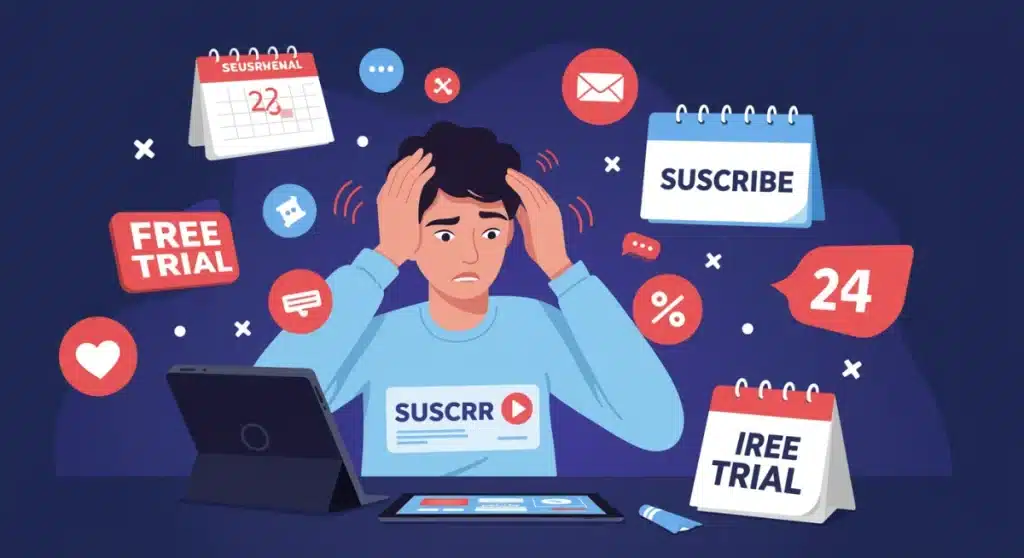
Mastering free trials in 2025 requires a systematic approach to prevent auto-renewal traps, ensuring consumers can enjoy services without incurring unwanted charges through diligent management and timely cancellations.
Advertisements
Avoiding auto-renewal traps has become an essential skill in our subscription-heavy world. Free trials offer fantastic opportunities to explore new services without immediate financial commitment, but they often come with hidden pitfalls. This comprehensive guide will equip you with the practical solutions needed to manage 10+ free trials in 2025, ensuring you never face unexpected charges again.
Understanding the Auto-Renewal Landscape in 2025
The digital economy of 2025 is saturated with enticing free trial offers, ranging from streaming services and productivity tools to fitness apps and online learning platforms. While these trials promise a glimpse into premium features, they almost universally default to automatic renewal, often catching consumers off guard with unexpected charges.
This landscape is designed to convert trial users into paying subscribers, subtly relying on forgetfulness or the difficulty of the cancellation process. Understanding this underlying mechanism is the first step toward reclaiming control over your digital finances and effectively navigating the world of free trials.
Why Auto-Renewal is Prevalent
Companies benefit significantly from auto-renewals. It reduces churn, increases customer lifetime value, and provides a predictable revenue stream. For consumers, however, it can lead to a phenomenon known as “subscription fatigue,” where numerous small charges accumulate into a substantial monthly expense.
- Increased Revenue: Companies secure long-term customers.
- Reduced Churn: Fewer users actively cancel their subscriptions.
- Convenience Factor: Some users genuinely prefer uninterrupted service.
- Behavioral Economics: Exploiting inertia and forgetfulness.
The prevalence of auto-renewal clauses means that every free trial initiated comes with an implicit financial commitment if not actively managed. Recognizing this allows for a more strategic approach to engaging with trial offers.
In conclusion, the 2025 auto-renewal landscape is a double-edged sword. While it offers convenience and continuous access, it places the onus squarely on the consumer to meticulously manage their trials to prevent unwanted charges. A proactive mindset is crucial.
The “Trial Tally”: Tracking Your Free Subscriptions
Managing multiple free trials efficiently begins with a robust tracking system. With 10 or more trials active simultaneously, relying on memory alone is a recipe for financial mishaps. A systematic approach to logging and monitoring each trial is paramount to avoiding auto-renewal traps.
Effective tracking transforms a chaotic process into a manageable one, providing a clear overview of all your commitments and deadlines. This central repository of information becomes your first line of defense against unwanted charges.
Setting Up Your Tracking System
There are several effective methods for tracking free trials, each offering different levels of convenience and detail. The best system is one you will consistently use.
- Digital Spreadsheets: Google Sheets or Excel offer flexibility for custom columns like service name, start date, end date, cancellation instructions, and payment method used.
- Calendar Reminders: Set multiple alerts: one a few days before the trial ends, and another on the actual cancellation deadline.
- Dedicated Apps: Several apps (e.g., Mint, Truebill, Rocket Money) specialize in subscription management, often linking directly to your bank accounts to identify recurring charges.
- Physical Notebook: For those who prefer analog, a dedicated notebook can work, provided it’s regularly checked.
Each entry in your tracking system should include critical details. Beyond just the end date, note down the specific steps required to cancel, any unique account identifiers, and the customer service contact if issues arise. This foresight saves time and frustration later.
Ultimately, a reliable tracking system is the backbone of successful free trial management. It empowers you to stay informed, anticipate deadlines, and act decisively, thus significantly reducing the risk of falling into auto-renewal traps.
Strategic Payment Methods for Free Trials
One of the most effective ways to shield yourself from unexpected auto-renewal charges is to strategically choose the payment method linked to your free trials. Instead of using your primary credit or debit card, consider alternatives that offer greater control and protection.
This proactive step creates a financial buffer, ensuring that even if a trial slips through your tracking system, the financial impact is minimized or entirely prevented. It’s about building a fail-safe into your trial management strategy.
Utilizing Virtual Credit Cards and Prepaid Options
Virtual credit cards (VCCs) are digital-only card numbers linked to your bank account or primary credit card, but with customizable limits and expiration dates. Many banks and third-party services offer them.
- One-Time Use: Some VCCs can be set for a single transaction.
- Spending Limits: Cap the amount that can be charged to the card.
- Temporary Expiry: Set an expiration date just after the trial ends.
Prepaid debit cards offer a similar layer of protection. By loading only a minimal amount (e.g., $1) onto a prepaid card for a trial, you ensure that even if auto-renewal attempts to charge, there won’t be sufficient funds, effectively blocking the transaction.
Another emerging option is to use services that provide temporary, single-use card numbers specifically designed for trials. These services often integrate with your browser, making it easy to generate a unique card for each subscription.
By leveraging these strategic payment methods, you add a powerful layer of security to your free trial endeavors. This approach ensures that even if other management steps are missed, your finances remain protected from unwanted auto-renewal charges.
The Art of Timely Cancellation: Best Practices
Timely cancellation is the cornerstone of avoiding auto-renewal traps. It’s not just about remembering to cancel, but about understanding the optimal window and method for doing so. Procrastination or misunderstanding the cancellation policy can lead to charges you intended to avoid.
Developing a systematic approach to cancellation ensures that you retain control, maximize your trial period, and prevent any unwanted financial commitments. This section outlines the best practices for executing a flawless cancellation.
When and How to Cancel
The ideal time to cancel a free trial is often immediately after signing up, especially if the service allows you to continue using it until the trial period expires. This “cancel immediately” strategy removes the risk of forgetting later.
- Read Terms Carefully: Always check the specific cancellation policy. Some services might terminate access immediately upon cancellation.
- Set Early Reminders: If immediate cancellation isn’t feasible or desired, set a reminder several days before the trial ends.
- Document Everything: Keep screenshots or confirmation emails of your cancellation. This serves as proof if a dispute arises.
- Use the Correct Method: Most services require online cancellation through account settings, but some might demand phone calls or emails.
Another crucial aspect is to understand the time zones. If a trial ends at a specific hour, ensure your cancellation is completed before that cutoff, accounting for any time differences if the service is based internationally.
In essence, mastering timely cancellation involves a combination of careful planning, immediate action where possible, and thorough documentation. By adhering to these best practices, you can confidently navigate free trials without the lingering fear of unexpected auto-renewal charges.
Leveraging Browser Extensions and Apps for Management
In 2025, technology offers sophisticated solutions to aid in free trial management, moving beyond manual tracking to automated assistance. Browser extensions and dedicated mobile applications can significantly streamline the process of monitoring, reminding, and even canceling subscriptions, providing an extra layer of defense against auto-renewal traps.
These tools leverage automation to simplify what would otherwise be a tedious and error-prone manual task, making it easier to manage a high volume of trials without feeling overwhelmed. They are valuable allies in your quest for financial control.
Top Tools for Subscription Oversight
Several digital tools have emerged as leaders in subscription management. Each offers unique features, but all aim to provide a clearer picture of your recurring expenses and trial statuses.
- Subscription Management Apps (e.g., Rocket Money, Truebill): These apps connect to your bank accounts and credit cards, automatically identifying recurring charges and free trials. They often allow you to cancel subscriptions directly through the app.
- Virtual Card Services (e.g., Privacy.com, Revolut): While primarily payment tools, their ability to create single-use or limited-spend cards directly assists in preventing unwanted trial charges.
- Calendar Integration Tools: Beyond simple calendar apps, some tools integrate directly with your email to scan for trial sign-ups and automatically add end dates to your calendar with reminders.
The key benefit of these tools is their ability to centralize information and automate reminders or actions. They act as a digital assistant, keeping an eye on your subscriptions so you don’t have to manually track every detail.
By integrating these browser extensions and apps into your financial management routine, you can significantly enhance your ability to monitor and control free trials. They offer a powerful, tech-driven solution to the persistent challenge of avoiding auto-renewal traps in a digital-first world.
Reviewing and Auditing Your Subscriptions Quarterly
Even with the best tracking and payment strategies, a periodic review and audit of your subscriptions remain crucial. The digital landscape is dynamic, and your needs or interests may change, making some trials or even paid subscriptions obsolete. A quarterly audit provides a dedicated time to reassess your commitments and prune unnecessary expenses.
This regular review acts as a safety net, catching anything that might have slipped through the cracks and ensuring that your financial outflow aligns with your current priorities. It’s a proactive measure to maintain long-term financial health.
Conducting an Effective Subscription Audit
A thorough subscription audit involves more than just glancing at your bank statement. It requires a systematic approach to identify, evaluate, and act upon your recurring charges.
- Gather All Data: Consolidate information from your tracking system, bank statements, and credit card bills. Look for any recurring charges, even small ones.
- Evaluate Necessity: For each subscription or trial, ask yourself: Am I actively using this? Is it providing significant value? Can I get similar benefits for free or cheaper elsewhere?
- Check Usage Statistics: Many services offer usage reports. If you’re paying for a premium tier but barely using it, consider downgrading or canceling.
- Negotiate or Downgrade: Sometimes, you don’t need to cancel entirely. Contacting customer service might yield a better rate or a more suitable plan.
The goal of the audit is not just to cancel trials, but to optimize your entire subscription portfolio. This includes paid services you might have forgotten about or no longer need. This proactive approach ensures you’re not paying for services that no longer serve you.
Regularly auditing your subscriptions is a vital component of holistic financial management. It empowers you to maintain control over your spending, ensure every dollar is well-spent, and provides ongoing protection against the financial drain of unwanted auto-renewals.
| Key Strategy | Brief Description |
|---|---|
| Systematic Tracking | Utilize spreadsheets or apps to log all trials, start/end dates, and cancellation steps. |
| Strategic Payments | Use virtual or prepaid cards with limits to prevent unauthorized charges. |
| Timely Cancellation | Cancel immediately after signup or set early reminders to avoid missing deadlines. |
| Regular Audits | Periodically review all subscriptions to eliminate unused services and optimize spending. |
Frequently Asked Questions About Free Trial Management
The biggest risk is inadvertently incurring charges due to automatic renewal after the trial period ends. Many users forget to cancel in time, leading to unexpected deductions from their linked payment methods for services they may no longer want or need.
Often, yes. Many services allow you to cancel a free trial right after activation and still enjoy the full trial period. This is an excellent strategy to eliminate the risk of forgetting to cancel later, ensuring you won’t be charged.
Virtual credit cards (VCCs) are temporary, digital card numbers with customizable spending limits and expiration dates. They help by allowing you to link a minimal amount or set an expiry date before the trial ends, preventing services from charging your main account after auto-renewal.
It’s advisable to conduct a comprehensive review of all your subscriptions and trials at least quarterly. This regular audit helps identify any forgotten services, unnecessary expenses, or trials that have converted to paid subscriptions without your full awareness.
Yes, several apps like Rocket Money, Truebill, and Mint can connect to your financial accounts to identify and track subscriptions and free trials. Some even offer direct cancellation features, significantly simplifying the management process and providing reminders.
Conclusion
Navigating the complex world of free trials in 2025 doesn’t have to be a source of financial anxiety. By adopting a proactive and systematic approach, you can easily manage numerous subscriptions without falling prey to auto-renewal traps. From robust tracking systems and strategic payment methods to timely cancellations and regular audits, the tools and techniques outlined in this guide provide a comprehensive framework for financial control. Embrace these practices to enjoy the benefits of free trials while safeguarding your wallet from unexpected charges, transforming potential pitfalls into opportunities for informed consumer choices.