Avoid Auto-Renewal Traps: 2025 Checklist for Free Trial Cancellation
Advertisements
Effectively managing free trials is crucial to avoid unwanted auto-renewal charges, and this 2025 checklist provides essential strategies and steps to ensure timely cancellation, protecting your finances and optimizing your subscription management.
In today’s digital landscape, free trials are everywhere, offering a tempting glimpse into premium services without immediate cost. However, many consumers fall into the common pitfall of unexpected charges when these trials automatically convert to paid subscriptions. To help you navigate this, our guide will show you how to avoid auto-renewal traps, ensuring you cancel your free trials on time in 2025 and keep your finances in check.
Advertisements
Understanding the auto-renewal landscape in 2025
The year 2025 brings with it a continued surge in subscription-based services, from streaming platforms to productivity tools and fitness apps. While free trials are a fantastic way to test these offerings, the underlying business model often relies on users forgetting to cancel before the trial period ends, leading to automatic conversion and charges. This section explores the evolving nature of auto-renewal policies and what consumers need to be aware of.
Companies strategically design free trials to encourage engagement, hoping users will integrate the service into their daily routine. The challenge for consumers lies in remembering specific end dates and understanding the often-subtle terms and conditions. As technology advances, so do the methods companies use to onboard and retain subscribers, making vigilance more important than ever.
The psychology behind forgotten cancellations
It’s not just forgetfulness; there’s a psychological component at play. The “endowment effect” makes us value something more once we feel ownership, even if it’s just a free trial. This can make canceling feel like a loss. Additionally, “inertia” or the tendency to stick with the default option means that if cancellation isn’t straightforward, many will put it off until it’s too late. Recognizing these behavioral patterns can be the first step in actively managing your trials.
- Overwhelm: Too many trials at once can lead to confusion.
- Procrastination: Putting off cancellation until the last minute.
- Complexity: Hidden cancellation options make it harder to unsubscribe.
- Perceived Value: Believing you’ll use the service more than you actually do.
Regulatory changes and consumer protection
In response to growing consumer complaints, regulatory bodies are increasingly scrutinizing auto-renewal practices. While laws vary, there’s a global trend towards requiring clearer disclosure of terms, easier cancellation processes, and proactive notifications before a trial ends. Staying informed about these changes in 2025, particularly within the United States, can empower you to leverage your rights and demand transparency from service providers. Always check the fine print, but also know that consumer advocates are working to make these processes more consumer-friendly.
Understanding the current landscape is crucial for anyone engaging with free trials. By being aware of both the business strategies and your rights as a consumer, you can approach free trials with a more informed and proactive mindset, significantly reducing the chances of falling into an auto-renewal trap.
Setting up a foolproof tracking system for your trials
The cornerstone of avoiding unwanted charges is an effective system for tracking your free trials. Relying solely on memory is a recipe for disaster, especially when juggling multiple subscriptions. This section will guide you through establishing a robust tracking method that ensures you’re always aware of your trial expiration dates.
A good tracking system isn’t just about recording dates; it’s about creating a proactive reminder mechanism that prompts you to act well before a trial converts. This proactive approach minimizes stress and maximizes your ability to make informed decisions about continuing or canceling a service.
Leveraging digital calendars and reminders
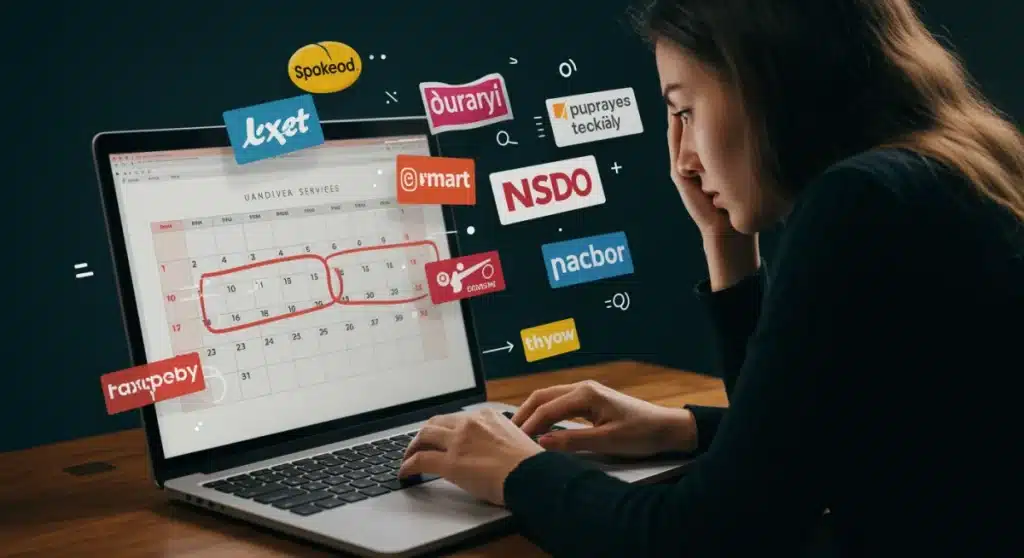
Your digital calendar is your best friend in this endeavor. As soon as you sign up for a free trial, immediately open your calendar (Google Calendar, Outlook Calendar, Apple Calendar, etc.) and mark the trial end date. But don’t stop there. Set multiple reminders:
- First reminder: 7 days before the trial ends. This gives you ample time to evaluate the service.
- Second reminder: 3 days before the trial ends. A final prompt to make your decision.
- Third reminder: 24 hours before the trial ends. A last-chance alert to cancel if you decide against keeping it.
Include key details in the calendar entry, such as the service name, login credentials (if you store them securely), and a direct link to the cancellation page. This streamlines the process when it’s time to act.
Dedicated apps and spreadsheets for detailed tracking
For those who manage numerous subscriptions, a dedicated app or a simple spreadsheet can offer more comprehensive tracking. Apps like Bobby, Truebill, or Mint specialize in subscription management, often linking directly to your bank accounts to identify recurring charges, including those from free trials. While convenient, always exercise caution when connecting financial accounts to third-party apps.
Alternatively, a simple Google Sheet or Excel spreadsheet can be customized to your needs. Create columns for:
- Service Name
- Start Date
- End Date
- Cost (after trial)
- Cancellation Link/Instructions
- Decision (Keep/Cancel)
- Date Canceled (if applicable)
This method offers complete control and customization, allowing you to track exactly what you need. Whichever method you choose, consistency is key. Make it a habit to log every new free trial immediately upon signing up. This initial effort will save you significant money and hassle in the long run, helping you to avoid auto-renewal traps with ease.
Best practices for signing up for free trials
Signing up for a free trial might seem straightforward, but adopting a strategic approach from the outset can significantly reduce your risk of unexpected charges. This section outlines essential best practices to follow before, during, and immediately after beginning a free trial, ensuring you maintain control.
The goal is to empower you to enjoy the benefits of trying new services without the lurking fear of an unwanted subscription. By implementing these practices, you’ll transform the often-risky free trial into a genuinely risk-free exploration.
Read the terms and conditions carefully
This is perhaps the most overlooked, yet critical, step. Before clicking “agree” or “start free trial,” take a few minutes to read the terms and conditions, specifically focusing on the auto-renewal policy. Look for:
- Trial duration: Exactly how many days does the trial last?
- Cancellation window: Is there a specific period within which you must cancel? Some services require cancellation 24-48 hours before the end date.
- Auto-conversion: What happens if you don’t cancel? What is the full price?
- Cancellation method: How do you cancel? Is it online, via email, or by phone?
Many companies intentionally make these sections dense. Don’t be deterred. A quick scan for keywords like “cancel,” “renewal,” “trial period,” and “billing” can often highlight the most important details. Understanding these terms upfront prevents surprises down the line.
Use a dedicated payment method or virtual card
One of the most effective ways to mitigate the risk of unwanted charges is to use a payment method specifically for free trials. Consider:
- Virtual credit cards: Many banks and financial apps offer virtual card numbers that can be set with spending limits or even expire after a single use. This allows you to sign up for a trial, and if you forget to cancel, the card will decline the charge.
- Prepaid debit cards: Load a small amount onto a prepaid card, just enough to cover any potential authorization hold, but not enough to cover a full subscription.
- “Burner” email addresses: While not directly related to payment, using a secondary email for sign-ups can help manage promotional emails and keep your primary inbox clear, making it easier to spot important trial-related communications.
By isolating your payment method for trials, you create a financial firewall. If a service attempts to charge you after a forgotten cancellation, the transaction will simply fail, providing an immediate alert and preventing any actual financial loss. This proactive measure is invaluable for anyone looking to avoid auto-renewal traps effectively.
The 2025 checklist: Your step-by-step guide to cancellation
Having a clear, actionable checklist is paramount to successfully navigating free trials and avoiding unintended subscriptions. This section provides a comprehensive, step-by-step guide designed for 2025 to ensure you cancel on time and with minimal hassle.
This checklist is built on the premise of proactive management and informed decision-making. By following each step diligently, you empower yourself to be in control of your digital subscriptions, rather than letting them control your finances.
Step 1: Immediate action upon sign-up
The moment you sign up for a free trial, take these crucial steps:
- Log it: Immediately enter the service name, start date, and end date into your chosen tracking system (calendar, spreadsheet, or app).
- Set reminders: Schedule multiple reminders as discussed earlier (7 days, 3 days, 24 hours before expiration).
- Screenshot terms: Take a screenshot of the key terms and conditions, especially the cancellation policy. This provides undeniable proof if a dispute arises.
- Locate cancellation page: Find the exact page or method for cancellation right after signing up. Bookmark it or note it in your tracking system. Don’t wait until the last minute to figure this out.
Step 2: Evaluate the service during the trial
Don’t just let the trial run in the background. Actively evaluate the service:
- Regular usage: Make an effort to use the service several times to get a true feel for its benefits and drawbacks.
- Feature assessment: Does it deliver on its promises? Are all advertised features available during the trial?
- Compare alternatives: Is this service better than free or cheaper alternatives?
- Value proposition: Does the value it provides justify the full subscription cost after the trial ends?
Step 3: The cancellation decision and execution
As your reminders approach, make your decision and act:
- Decide: Based on your evaluation, decide if you want to keep or cancel.
- Cancel early (if unsure): If you are even slightly unsure about keeping the service, cancel it a few days before the trial ends. Many services allow you to continue using them until the last day of the trial even after you’ve initiated cancellation. This is a powerful strategy to avoid auto-renewal traps.
- Follow instructions: Use the cancellation link/instructions you noted down. Be wary of “dark patterns” – intentionally confusing interfaces designed to make cancellation difficult.
- Confirmation: Always ensure you receive a cancellation confirmation email or message. Keep this for your records. If you don’t receive one, contact customer support immediately.
This systematic approach ensures that you remain in control, transforming free trials into genuine opportunities to test services without financial risk.
Navigating tricky cancellation processes
While some companies make cancellation straightforward, others employ tactics that can make the process frustratingly difficult. These “dark patterns” are designed to subtly coerce users into remaining subscribed. Understanding and anticipating these challenges is key to successfully canceling your free trials in 2025.
Being prepared for a less-than-ideal cancellation experience can save you time, stress, and money. This section will equip you with strategies to overcome common obstacles and ensure your cancellation is processed effectively.
Identifying and overcoming dark patterns
Dark patterns are user interface designs that trick users into doing things they might not otherwise do, such as keeping a subscription. Common examples in cancellation processes include:
- Hidden buttons: Making the “cancel subscription” button small, gray, or difficult to find amidst other options.
- Multi-step process: Requiring numerous clicks and confirmations, often with misleading language like “Are you sure you want to miss out on X?”
- Retention offers: Presenting a series of discounts or alternative plans right before cancellation to entice you to stay.
- Phone-only cancellation: Forcing users to call customer service, often with long wait times, to cancel.
When encountering these, remain patient and persistent. Look for phrases like “manage subscription,” “billing settings,” or “account settings.” If it’s not immediately obvious, use the website’s search function or a quick Google search for “[service name] cancel subscription.”
When to escalate: Contacting customer support and dispute resolution
If you’ve followed all the steps and still can’t cancel, or if you’ve been charged despite canceling, it’s time to escalate. Keep a record of all your attempts to cancel, including dates, times, and any screenshots. Then:
- Contact customer support: Reach out via their official channels (email, chat, phone). Clearly state your issue, provide all relevant details, and request a refund if applicable. Be polite but firm.
- Dispute the charge: If customer support is unhelpful or unresponsive, contact your bank or credit card company to dispute the charge. Provide them with your documentation (screenshots, cancellation confirmations, communication records). This is often the most effective route when a company is uncooperative.
- Consumer protection agencies: For persistent issues or suspected unfair practices, consider filing a complaint with the Better Business Bureau (BBB) or the Federal Trade Commission (FTC) in the United States.
Remember, you have rights as a consumer. Don’t be afraid to exercise them if a company makes it unduly difficult to manage or cancel your subscriptions. Proactive documentation and a willingness to escalate are powerful tools to avoid auto-renewal traps.
Long-term strategies for subscription management
Successfully navigating free trials is just one part of a broader financial strategy: effective subscription management. In 2025, with an ever-increasing array of services vying for your monthly budget, a long-term approach is essential to maintain financial health and avoid unnecessary expenses.
This section moves beyond individual trial cancellations to present overarching strategies for keeping your entire subscription portfolio lean, efficient, and aligned with your actual needs and budget. It’s about creating sustainable habits that save you money year after year.
Conducting regular subscription audits
Just as you might audit your finances or your wardrobe, regularly audit your subscriptions. This means setting aside time, perhaps quarterly or bi-annually, to review every recurring charge on your bank statements and credit card bills. Ask yourself:
- Do I still use this service? Be honest about how frequently and effectively you utilize each subscription.
- Is it worth the cost? Compare the value you receive against the monthly or annual fee.
- Are there cheaper alternatives? Could a free service or a lower-tier plan suffice?
- Have I forgotten about this? Identify any “ghost subscriptions” that are still charging you without your awareness.
This audit helps eliminate forgotten subscriptions and ensures that every dollar spent on recurring services is justified. It’s a proactive step that moves beyond simply avoiding auto-renewal traps to actively optimizing your spending.
Budgeting for subscriptions and consolidating services
Integrate your subscriptions into your overall budget. Assign a specific category for “subscriptions” or “digital services” and set a monthly limit. This forces you to be mindful of new sign-ups and encourages you to prioritize.
Consider consolidating services where possible. For example, if you have multiple streaming platforms, evaluate if one or two could meet most of your entertainment needs. Look for bundles or family plans that offer better value. Many telecommunication companies or even credit card providers offer perks or discounts on popular streaming or productivity services.
By actively budgeting and seeking consolidation opportunities, you not only save money but also simplify your financial life. This holistic approach to subscription management is crucial for long-term financial well-being in a subscription-heavy world. It ensures you’re always getting the most value for your money, rather than passively paying for services you no longer need or use, effectively avoiding auto-renewal traps on a larger scale.
The future of free trials and consumer vigilance
As we advance into 2025 and beyond, the landscape of free trials will undoubtedly continue to evolve. Companies will refine their strategies, and consumer protection efforts will adapt. Staying ahead requires continuous vigilance and an understanding of emerging trends.
This section looks at what the future might hold for free trials, emphasizing the ongoing need for consumers to remain informed and proactive. The goal isn’t just to react to current challenges but to anticipate future ones, ensuring long-term financial security.
AI-powered subscription management tools
Expect to see more sophisticated AI-powered tools designed to help consumers manage their subscriptions. These tools could potentially:
- Proactively identify trials: Scan your emails and bank statements to automatically detect new free trials and their end dates.
- Automate cancellation reminders: Send highly personalized and timely notifications.
- Negotiate lower rates: Some advanced tools might even attempt to negotiate better deals or cancel services on your behalf based on your preferences.
While these tools offer convenience, it’s crucial to evaluate their privacy policies and ensure they are reputable before granting them access to sensitive financial information. They can be powerful allies, but they don’t replace the need for personal oversight.
Evolving regulatory frameworks and corporate responsibility
Pressure from consumer advocacy groups and government bodies will likely lead to stricter regulations regarding auto-renewal. We may see more widespread requirements for:
- Clearer disclosures: Even more prominent and understandable terms and conditions.
- Easier cancellation: Laws mandating that cancellation be as easy as signing up.
- Opt-in renewals: A shift from opt-out to opt-in for trial conversions, meaning you’d have to actively agree to start paying after a trial.
- Proactive notifications: Mandatory reminders sent by companies before a trial ends and before auto-renewal.
While waiting for these changes, consumers must continue to be their own best advocates. Even with stronger regulations, companies will always seek to optimize their revenue models. Your continued vigilance, combined with smart tracking and proactive management, remains the most reliable defense against unwanted charges. By staying informed about both technological advancements and regulatory shifts, you can effectively navigate the evolving world of free trials and avoid auto-renewal traps for years to come.
| Key Point | Brief Description |
|---|---|
| Track Trials Diligently | Use digital calendars or apps to log all free trials and set multiple reminders for cancellation dates. |
| Read Terms Carefully | Always review auto-renewal policies, trial duration, and cancellation methods before signing up. |
| Use Secure Payment Methods | Employ virtual cards or prepaid debit cards to prevent unauthorized charges after a trial. |
| Proactive Cancellation | Cancel trials a few days early, as many services allow continued use until the original end date. |
Frequently asked questions about free trial auto-renewal
An auto-renewal trap occurs when a free trial automatically converts into a paid subscription at the end of the trial period without explicit user consent for the charge, often leading to unexpected billing. Companies design these to capitalize on users forgetting to cancel, resulting in unintentional payments for services they may not want.
The most effective way is to use a digital calendar (like Google Calendar) to set multiple reminders before the trial ends. Alternatively, dedicated subscription management apps or a simple spreadsheet can help log service names, end dates, and cancellation instructions. Consistency in logging new trials is crucial for success.
Legality varies by jurisdiction. In the U.S., companies must generally disclose auto-renewal terms clearly. However, this disclosure is often buried in terms and conditions. While not always requiring explicit, separate permission, regulations are tightening to ensure consumers are adequately informed and have easy cancellation options.
First, gather proof of your cancellation (confirmation emails, screenshots). Then, contact the company’s customer support to request a refund. If unsuccessful, dispute the charge with your bank or credit card provider. You can also file a complaint with consumer protection agencies like the BBB or FTC.
Yes, using a virtual credit card with a low spending limit or a single-use option is an excellent strategy. If you forget to cancel, the card will decline subsequent charges, effectively preventing unwanted auto-renewal. This acts as a financial safeguard, giving you peace of mind during free trials.
Conclusion
Navigating the world of free trials in 2025 requires more than just good intentions; it demands a strategic, proactive approach. By understanding the psychology behind auto-renewals, implementing robust tracking systems, adopting best practices for sign-up, and knowing how to overcome tricky cancellation processes, you can empower yourself to avoid auto-renewal traps. The ultimate goal is to transform free trials into genuine opportunities for exploration, ensuring that every service you pay for is one you truly value and intend to keep. Stay vigilant, stay organized, and take control of your subscriptions to protect your hard-earned money.