DOT Automatic Flight Delay Refunds: What You Need to Know
Advertisements
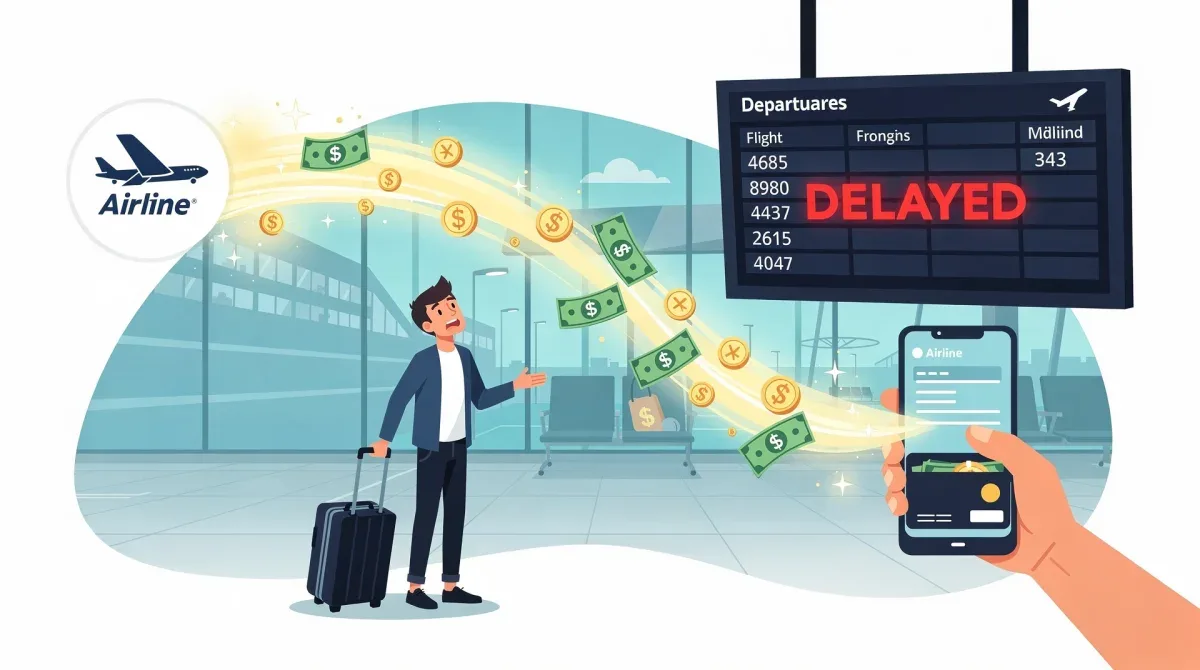
Stuck at the airport gate watching your departure time slip away by hours is frustrating enough—fighting for your money back shouldn't add to the headache. Thanks to new DOT rules on automatic Flight Delay Refunds, travelers no longer have to jump through hoops to get their cash back.
Under this game-changing regulation, airlines must proactively return your fare whenever a domestic flight is delayed by three hours or more. Forget confusing forms, endless customer service calls, or unwanted travel vouchers.
Your compensation now arrives automatically and quickly, putting power back into the hands of passengers. Here is everything you need to know about how this rule protects your wallet on your next trip.
Understanding the New DOT Refund Rule
The Department of Transportation's new rule on automatic flight delay refunds specifically targets domestic flights delayed by three hours or more. This threshold is crucial, as it defines the minimum delay required for passengers to qualify for an automatic cash refund, eliminating ambiguity.
This regulation applies to delays within the airline's control, such as mechanical issues or crew shortages, but also extends to certain external factors. Passengers are no longer required to formally request a refund; the airline is now obligated to initiate the process proactively, shifting the burden from the consumer to the carrier.
The rule also clarifies what constitutes a significant change to a flight itinerary, thereby triggering refund eligibility. This includes changes to departure or arrival times, changes in the departure or arrival airport, an increase in the number of connections, or a downgrade in the class of service.
Eligibility Criteria for Automatic Refunds
For a passenger to be eligible for an automatic flight delay refund, several criteria must be met. The flight must be a domestic journey, and the delay must exceed three hours from the originally scheduled departure time. This precise timing is critical for the application of the new rule.
Domestic flight itinerary.
Delay of three hours or more from scheduled departure.
Airline-initiated cancellation or significant change to the flight.
Refund must be in cash, not vouchers.
The Department of Transportation specifies that the refund must be the original form of payment, ensuring consumers receive their money back directly. This prevents airlines from defaulting to travel credits that passengers might not be able to use, a common complaint prior to this new regulation.
Impact on Airlines and Industry Practices
The implementation of automatic flight delay refunds will undoubtedly have a profound impact on airline operations and customer service strategies. Airlines are now compelled to prioritize on-time performance and efficient recovery from disruptions, leading to potential operational adjustments.
Industry experts anticipate that airlines will invest more in preventative maintenance, crew scheduling optimization, and robust contingency plans. The financial implications of issuing automatic cash refunds will serve as a strong incentive to minimize delays and cancellations, benefiting passengers.
This shift also means airlines must enhance their technological infrastructure to identify eligible delays and process refunds automatically and accurately. This includes integrating systems that can track delays in real-time and trigger the refund mechanism without manual intervention, a significant undertaking for many carriers.
Operational Changes and Compliance
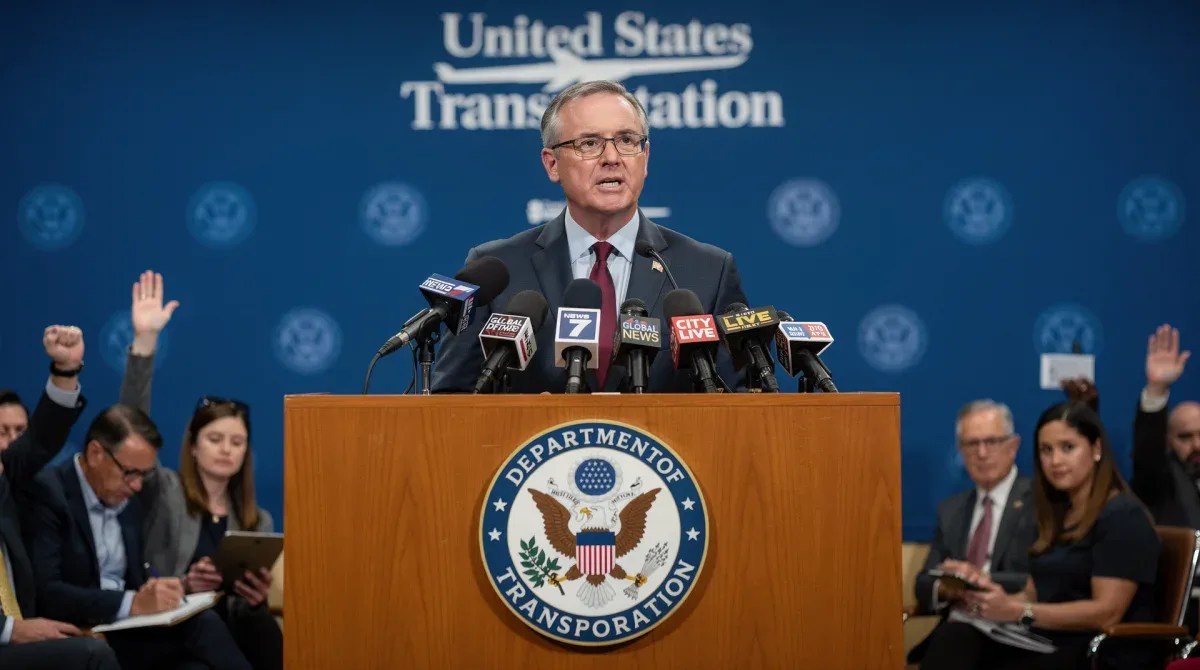
Airlines are now facing a mandate to revamp their internal processes to comply with the Department of Transportation Rolls Out Automatic Cash Refunds for Domestic Flight Delays. This involves significant IT upgrades and staff training to ensure smooth implementation of the new refund system.
Automated delay tracking systems.
Streamlined refund processing.
Enhanced customer communication protocols.
Increased focus on operational efficiency.
Compliance will be closely monitored by the DOT, with potential penalties for airlines that fail to adhere to the new regulations. This oversight ensures that the policy delivers its intended benefits to consumers, reinforcing the trustworthiness of the refund process.
Benefits for Air Travelers
The most immediate and significant benefit for air travelers from the automatic flight delay refunds rule is the elimination of the often-frustrating process of requesting refunds. Passengers will no longer need to navigate complex airline policies or spend hours on hold to claim their money back.
This new policy provides greater financial security for travelers, knowing that their funds will be returned automatically in case of significant delays. It reduces the financial burden and inconvenience associated with disrupted travel plans, making air travel less stressful for consumers.
Moreover, the transparency and clarity brought by this rule empower passengers with clear expectations regarding their rights. This understanding fosters greater confidence in booking flights, knowing that a robust consumer protection mechanism is in place to address unforeseen disruptions.
Enhanced Consumer Protection and Convenience
The Department of Transportation's initiative to roll out automatic flight delay refunds significantly bolsters consumer protection. It ensures that passengers are not only informed of their rights but also that these rights are automatically enforced, leading to a more equitable travel experience.
This shift provides unprecedented convenience, as passengers can focus on rebooking or alternative arrangements without the added stress of chasing a refund. The automatic nature of the refund mechanism is a game-changer, simplifying a previously arduous task.
The rule's clear definition of what constitutes a refund-eligible delay removes ambiguity, reducing disputes between passengers and airlines. This clarity benefits both parties by setting precise expectations and streamlining conflict resolution, fostering a more positive relationship.
Historical Context and Advocacy Efforts
The journey to implement automatic flight delay refunds has been a long one, rooted in years of consumer advocacy and public outcry. For decades, passengers have faced challenges in securing refunds for delayed or canceled flights, often receiving vouchers instead of cash.
Consumer protection groups have consistently highlighted the need for stronger regulations, citing numerous instances where airlines made it difficult for passengers to obtain rightful compensation. These advocacy efforts have played a crucial role in bringing this issue to the forefront of regulatory attention.
The Department of Transportation's decision reflects a culmination of these efforts, acknowledging the systemic issues within the airline industry's refund practices. It signifies a governmental commitment to protecting consumer interests and ensuring fairness in air travel transactions.
Key Milestones in Consumer Rights
Several key events and legislative pushes have paved the way for the Department of Transportation Rolls Out Automatic Cash Refunds for Domestic Flight Delays. Public hearings and data collection revealed the widespread nature of refund issues, providing a strong basis for regulatory action.
Increased consumer complaints to the DOT.
Advocacy campaigns by consumer rights organizations.
Congressional inquiries into airline refund practices.
Public comments supporting stronger regulations.
These milestones underscore a growing consensus that existing regulations were insufficient, necessitating a more robust framework. The new rule is a direct response to these demands, aiming to rectify past shortcomings and establish a fairer system for all air travelers.
Future Implications for Travel and Policy
The introduction of automatic flight delay refunds is expected to have far-reaching implications beyond immediate consumer protection. It could set a precedent for future regulatory actions in other sectors, emphasizing automatic compensation for service failures.
This policy may also influence international travel regulations, potentially encouraging other countries to adopt similar passenger-friendly refund policies. The U.S. DOT's leadership in this area could inspire a global shift towards greater consumer rights in the airline industry.
Furthermore, the rule is likely to foster greater competition among airlines, as carriers strive to maintain high service standards to avoid costly refunds. This could lead to an overall improvement in airline punctuality and customer satisfaction across the board.
Broader Economic and Industry Effects
The economic impact of automatic flight delay refunds will be significant, influencing airline revenue streams and budgeting. Airlines will need to account for these potential refund payouts, which could lead to adjustments in pricing or operational investments.
Potential for increased operational costs for airlines.
Stimulus for investment in reliability and efficiency.
Shift in consumer trust towards airlines with better track records.
Possible ripple effect on travel insurance offerings.
This policy also provides a clearer framework for travel insurance providers, who may adjust their offerings to complement or integrate with the new automatic refund system. This ensures a comprehensive safety net for travelers, covering various aspects of trip disruptions.
Passenger Responsibilities and What to Expect
While the new rule makes automatic flight delay refunds easier to obtain, passengers still have certain responsibilities and expectations to manage. It is crucial for travelers to understand the specifics of the rule to ensure they receive their rightful compensation.
Passengers should keep detailed records of their flight information, including original booking confirmations and any communication from the airline regarding delays. While the refund is automatic, having documentation can be helpful in rare cases where issues might arise.
It is also important for travelers to monitor their bank statements or credit card accounts to confirm the timely receipt of their refunds. If a refund does not appear within the stipulated timeframe, passengers should then contact the airline, armed with their documentation.
Monitoring Your Refund and Seeking Assistance
Even with the new Department of Transportation Rolls Out Automatic Cash Refunds for Domestic Flight Delays Over 3 Hours, passengers should remain vigilant. Knowing the refund timelines is crucial for tracking the process and identifying any potential delays in receiving funds.
If a refund is not processed within the mandated seven business days for credit cards or 20 calendar days for other payments, passengers should first contact the airline's customer service. It is essential to have all flight details and booking references readily available for this communication.
Should the airline fail to resolve the issue, passengers can then file a complaint directly with the Department of Transportation. The DOT provides mechanisms for consumers to report non-compliance, ensuring that the new rule is effectively enforced and protecting traveler rights.
Preparing for Your Next Flight
With the new rule for automatic flight delay refunds in effect, preparing for your next flight involves a slightly different mindset. Travelers can now book with increased confidence, knowing that a safety net is in place for significant delays.
However, it is always wise to stay informed about your flight status leading up to departure. Checking airline apps, airport websites, or third-party flight trackers can provide real-time updates and help you anticipate any potential disruptions, even with the new refund policy.
Consider subscribing to airline notifications for your specific flight. This proactive approach, combined with the new automatic refund protection, creates a more secure and predictable travel experience, empowering passengers with information and financial safeguards.
Key Point | Brief Description |
|---|---|
New Rule | DOT mandates automatic cash refunds for domestic flight delays over 3 hours. |
Eligibility | Domestic flights, 3+ hour delay, airline-initiated significant change. |
Airline Impact | Requires operational adjustments, IT upgrades, and increased focus on punctuality. |
Passenger Benefits | Eliminates refund request hassle, provides financial security, and increases transparency. |
Frequently Asked Questions About Flight Delay Refunds
What exactly does the new DOT rule mean for flight delays?▼
The new Department of Transportation rule mandates that airlines must automatically issue cash refunds to passengers for domestic flights delayed by three hours or more. This means you no longer need to actively request a refund; the airline is obligated to process it proactively, making the process much simpler and more direct for travelers.
How long will it take to receive an automatic cash refund?▼
Airlines are required to process these automatic cash refunds within specific timeframes. For purchases made with a credit card, you should expect to receive your refund within seven business days. For payments made through other methods, the refund must be processed within 20 calendar days from the date the delay occurred.
Does this rule apply to all flight delays, both domestic and international?▼
Currently, the new rule for automatic cash refunds for domestic flight delays over 3 hours specifically applies to domestic flights within the United States. While the DOT continues to advocate for broader passenger protections, international flight refund policies may still vary based on the airline's operating country and international agreements.
What if an airline offers a travel voucher instead of a cash refund?▼
Under the new DOT rule, for eligible delays, airlines are explicitly required to provide a cash refund. They cannot unilaterally offer travel vouchers or credits as a substitute. If an airline attempts to offer a voucher, you have the right to insist on a cash refund as per the Department of Transportation's new regulation, ensuring you receive your money back.
What should I do if I don't receive my automatic refund?▼
If you believe you are eligible for an automatic refund and have not received it within the specified timeframe (7 business days for credit cards, 20 calendar days for other payments), first contact the airline directly. If the issue remains unresolved, you can file a complaint with the Department of Transportation, which actively monitors airline compliance with these new regulations.
What this means
The Department of Transportation's rollout of automatic flight delay refunds marks a significant victory for air travelers, fundamentally reshaping consumer protection in the airline industry. This policy ensures that passengers are compensated fairly and automatically for significant disruptions, reducing stress and financial burden.
Looking ahead, this move is expected to drive airlines to improve operational efficiency and customer service, with potential ripple effects on global travel policies. Travelers should remain informed about their rights and monitor their refunds to fully benefit from these enhanced protections.