EPA’s New Emissions Standards 2025: Impact on 80% of Automakers
Advertisements
The Environmental Protection Agency’s new emissions standards for 2025 vehicles mark a pivotal policy shift, directly influencing 80% of automakers to significantly reduce greenhouse gas output and accelerate electric vehicle adoption.
Advertisements
A significant policy shift is on the horizon as the Environmental Protection Agency (EPA) rolls out its new emissions standards for 2025 vehicles, poised to impact a staggering 80% of automakers. This regulatory overhaul is not merely an incremental adjustment; it represents a fundamental rethinking of how vehicles are produced and consumed in the United States, pushing the industry towards a greener, more sustainable future.
Understanding the New EPA Emissions Standards
The EPA’s latest regulations for vehicle emissions, specifically targeting the 2025 model year and beyond, are designed to significantly curb greenhouse gas (GHG) emissions from light-duty vehicles. These standards are a critical component of the broader national strategy to combat climate change and improve air quality across the United States.
These new rules are far more stringent than previous iterations, setting ambitious targets for automakers to meet. The primary goal is to drive down the carbon footprint of the transportation sector, which remains one of the largest contributors to overall greenhouse gas emissions. The EPA emphasizes a technology-neutral approach, allowing manufacturers flexibility in how they achieve compliance, whether through advanced internal combustion engines, hybrid technologies, or fully electric powertrains.
The Regulatory Framework and Its Origins
The foundation of these new standards lies within the Clean Air Act, which grants the EPA the authority to regulate air pollution from mobile sources. Building upon decades of environmental policy, the 2025 standards are a response to evolving scientific understanding of climate change and the urgent need for more aggressive action. The agency conducted extensive research, engaged with industry stakeholders, and considered public comments before finalizing these comprehensive regulations.
Key aspects of the regulatory framework include:
- GHG Reduction Targets: Specific annual percentage reductions in CO2 emissions per mile.
- Fleet-Wide Averages: Automakers must meet average emission targets across their entire fleet of vehicles sold.
- Credit System: A system allowing manufacturers to earn and trade credits for exceeding standards, especially for electric vehicle production.
- Compliance Pathways: Multiple pathways for automakers to demonstrate compliance, including improvements in engine efficiency, lighter vehicle materials, and electrification.
These regulations are not just about environmental protection; they also aim to foster innovation within the automotive industry. By setting clear, long-term goals, the EPA provides a stable regulatory environment that encourages investment in research and development of cleaner vehicle technologies. This forward-looking approach is intended to position the U.S. automotive sector as a leader in global sustainable transportation.
In essence, the new EPA emissions standards represent a decisive step towards decarbonizing the transportation sector. They challenge automakers to innovate, adapt, and ultimately deliver a new generation of vehicles that are both environmentally responsible and appealing to consumers. The impact of these regulations will resonate throughout the entire automotive value chain, from design and manufacturing to sales and consumer choices.
Impact on 80% of Automakers: Challenges and Opportunities
The new EPA emissions standards for 2025 vehicles are set to create a ripple effect, profoundly influencing an estimated 80% of automakers operating in the U.S. market. This widespread impact stems from the ambitious nature of the regulations, which demand substantial shifts in vehicle production, technology adoption, and business strategies. While the challenges are significant, so too are the opportunities for innovation and market leadership.
For many traditional automakers, the primary challenge will be accelerating the transition away from solely internal combustion engine (ICE) vehicles towards a more electrified fleet. This requires massive investments in research and development, retooling manufacturing facilities, and developing new supply chains for components like batteries and electric motors. Smaller manufacturers, in particular, may face steeper hurdles in allocating the necessary resources to meet these stringent requirements.
Navigating the Transition: Investment and Innovation
Automakers are already responding to these anticipated changes by committing billions of dollars to electric vehicle (EV) development. This includes not only the vehicles themselves but also the charging infrastructure and battery technology that are crucial for widespread EV adoption. The regulations act as a powerful catalyst, compelling companies to fast-track their electrification plans rather than gradually phasing them in.
- Increased EV Production: Companies are ramping up EV manufacturing capacity to meet future demand and regulatory targets.
- Battery Technology Advancements: Significant R&D is focused on improving battery range, charging speed, and cost-effectiveness.
- Supply Chain Overhaul: Establishing robust and sustainable supply chains for critical EV components, often involving global partnerships.
- Workforce Retraining: Investing in training programs for employees to acquire new skills needed for EV design, manufacturing, and maintenance.
Beyond electrification, automakers are also exploring other avenues for emission reduction. This includes optimizing the efficiency of gasoline engines through advanced technologies like turbocharging, direct injection, and cylinder deactivation. Lighter materials, improved aerodynamics, and enhanced transmission systems also play a role in reducing fuel consumption and, consequently, emissions. The holistic approach required means that even vehicles with traditional powertrains will need to become significantly cleaner.
The impact extends beyond the factory floor. Marketing and sales strategies will need to adapt to a changing consumer landscape, with a greater emphasis on the benefits of cleaner vehicles, including lower running costs and reduced environmental impact. Automakers that successfully navigate these changes will not only comply with regulations but also stand to gain a competitive edge in an increasingly environmentally conscious market.
Strategic Shifts in Automotive Manufacturing
The new EPA emissions standards are forcing fundamental strategic shifts within automotive manufacturing, pushing companies to rethink everything from product development cycles to global supply chains. This isn’t just about meeting a regulatory benchmark; it’s about repositioning businesses for a future where sustainability and lower emissions are paramount to consumer appeal and operational viability.
One of the most significant shifts is the accelerated move towards modular and flexible manufacturing platforms. These platforms are designed to accommodate a variety of powertrains, including internal combustion engines, hybrids, and fully electric systems, on the same assembly lines. This flexibility allows automakers to quickly adapt production volumes based on market demand and evolving regulatory requirements without completely overhauling their infrastructure.
Redefining Supply Chains for a Greener Future
The shift to electric vehicles, driven in part by these new standards, necessitates a complete reevaluation of automotive supply chains. Traditional supply chains, heavily reliant on fossil fuel derivatives and ICE components, are being supplemented or replaced by networks focused on battery minerals, electric motors, and power electronics. This creates both challenges and opportunities for new partnerships and localized production.
- Raw Material Sourcing: Increased demand for lithium, cobalt, nickel, and rare earth minerals, leading to efforts to secure ethical and sustainable sources.
- Battery Production: Significant investment in gigafactories for battery cell and pack assembly, often near vehicle assembly plants.
- Component Specialization: Emergence of new suppliers specializing in EV-specific components, fostering a new ecosystem within the industry.
- Recycling and Circular Economy: Growing focus on battery recycling and repurposing to minimize environmental impact and secure future material supply.
Furthermore, automation and advanced manufacturing techniques are becoming even more critical. Robotics, artificial intelligence, and data analytics are being deployed to optimize production processes, improve efficiency, and reduce waste, all of which contribute to a lower environmental footprint. Automakers are investing heavily in these technologies to streamline operations and ensure compliance with the new standards.
Ultimately, these strategic shifts are reshaping the automotive manufacturing landscape. Companies that embrace these changes, investing in sustainable practices and innovative technologies, will be better positioned to thrive in an era defined by stricter environmental regulations and growing consumer demand for eco-friendly vehicles. The new EPA standards serve as a powerful impetus for this transformation, driving the industry towards a more sustainable and technologically advanced future.
Technological Innovations Driving Compliance
Meeting the rigorous new EPA emissions standards for 2025 vehicles will largely depend on the rapid deployment and advancement of various technological innovations. Automakers are pouring resources into research and development, recognizing that technological superiority is key to both regulatory compliance and market competitiveness. These innovations span across all aspects of vehicle design and propulsion.
The most prominent area of innovation is in electric vehicle (EV) technology. This includes not only improvements in battery chemistry to achieve greater range and faster charging times but also advancements in electric motor efficiency and power electronics. Software integration and intelligent energy management systems are also crucial for optimizing EV performance and maximizing efficiency, thereby contributing to overall emission reductions.
Beyond the Battery: Advanced Internal Combustion Engines
While electrification is a major focus, internal combustion engines (ICE) are not being left behind. For the foreseeable future, ICE vehicles will still constitute a significant portion of the market, and thus, innovations in traditional powertrains are essential for compliance. Automakers are developing highly sophisticated ICEs that are remarkably more efficient and cleaner than their predecessors.
- Mild Hybrid Systems: Integrating small electric motors to assist gasoline engines, improving fuel economy and reducing emissions during acceleration and braking.
- Advanced Turbocharging: Using turbochargers to boost engine power while maintaining or improving fuel efficiency.
- Direct Injection and Variable Valve Timing: Precise fuel delivery and optimized valve operation to enhance combustion efficiency.
- Cylinder Deactivation: Temporarily shutting down cylinders during light loads to save fuel and reduce emissions.
Moreover, lightweight materials such as aluminum, high-strength steel, and carbon fiber composites are being increasingly used in vehicle construction. Reducing vehicle weight directly translates to lower energy consumption, whether the vehicle is powered by gasoline or electricity, thus contributing to lower emissions. Aerodynamic design improvements also play a critical role, minimizing drag and enhancing overall efficiency.
The confluence of these technological advancements – from cutting-edge EV powertrains to highly optimized ICEs and lightweight materials – demonstrates the multifaceted approach automakers are taking to meet the new EPA standards. These innovations are not just about compliance; they are about pushing the boundaries of automotive engineering to deliver vehicles that are both environmentally responsible and perform exceptionally well for consumers.
Consumer Implications and Market Dynamics
The new EPA emissions standards for 2025 vehicles will inevitably reshape consumer choices and market dynamics within the automotive industry. As automakers adapt their product offerings to meet stricter regulations, consumers will see a shift in the types of vehicles available, their pricing, and the overall value proposition. This policy shift is designed to steer the market towards cleaner transportation options.
One of the most direct implications for consumers will be an increased availability and variety of electric vehicles and highly efficient hybrid models. Automakers will prioritize these vehicles to meet their fleet-wide emission targets, leading to more options across different segments and price points. This expansion of choice is expected to make EVs more accessible to a broader range of buyers.
Pricing, Incentives, and Total Cost of Ownership
While the initial purchase price of some advanced clean vehicles might be higher, government incentives and long-term savings are expected to offset these costs. Federal tax credits, state rebates, and other local programs are designed to make EVs more attractive. Furthermore, the lower operating costs of electric vehicles, primarily due to cheaper electricity compared to gasoline and reduced maintenance, contribute to a lower total cost of ownership over the vehicle’s lifespan.
- Government Incentives: Continuation and potential expansion of federal and state tax credits for EV purchases.
- Fuel Savings: Significant reduction in fuel expenses for EV owners.
- Reduced Maintenance: EVs typically have fewer moving parts than ICE vehicles, leading to lower maintenance costs.
- Resale Value: Potential for higher resale values for compliant and efficient vehicles as demand for greener options grows.
The market dynamics will also see a potential shift in consumer preferences. As awareness of environmental issues grows and the performance and convenience of cleaner vehicles improve, more consumers may actively seek out low-emission options. Automakers that successfully communicate the benefits of their compliant vehicles, from environmental stewardship to economic savings and superior driving experience, will likely gain market share.
Ultimately, the EPA’s new standards are intended to create a virtuous cycle: regulations drive innovation, innovation leads to better and more affordable clean vehicles, and these vehicles, in turn, accelerate market adoption. Consumers stand to benefit from a wider array of advanced, efficient, and environmentally friendly transportation options, contributing to a cleaner future.
The Road Ahead: Challenges and Future Outlook
The implementation of the new EPA emissions standards for 2025 vehicles marks a pivotal moment for the automotive industry, but the road ahead is not without its challenges. While the long-term vision is clear – a significant reduction in vehicle emissions and a greener transportation sector – navigating the transition will require sustained effort, adaptability, and collaboration from all stakeholders.
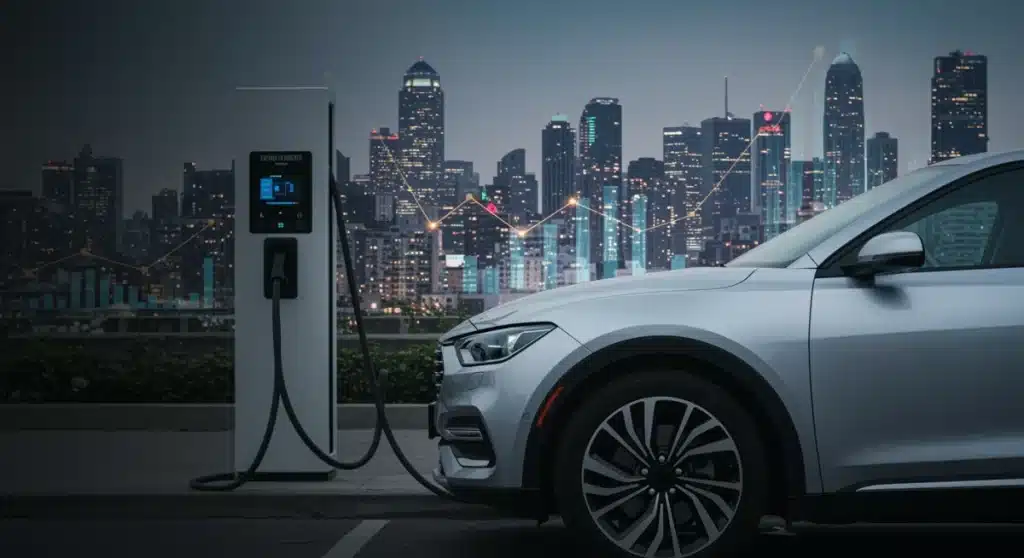
One of the primary challenges lies in ensuring that the charging infrastructure for electric vehicles can keep pace with the anticipated growth in EV sales. A robust and accessible charging network is crucial for addressing range anxiety and encouraging widespread consumer adoption. Government investment, private sector innovation, and utility partnerships will be essential to build out this critical infrastructure effectively.
Policy Evolution and Global Context
The EPA’s standards are not developed in a vacuum. They exist within a broader global context of environmental regulations and technological advancements. Other major automotive markets, such as Europe and China, are also implementing stringent emissions rules, creating both alignment and potential divergences for multinational automakers. Harmonizing standards where possible can simplify compliance and foster global innovation.
- International Cooperation: Potential for collaboration on emissions testing protocols and EV infrastructure development with other nations.
- Technological Convergence: Global R&D efforts often lead to similar technological solutions emerging across different regions.
- Trade Implications: The potential for differing standards to impact vehicle imports and exports.
- Future Regulatory Cycles: Anticipation of even stricter standards in subsequent regulatory cycles, pushing continuous innovation.
Another significant aspect is the economic impact. While the standards aim for long-term economic and environmental benefits, the initial investment costs for automakers can be substantial. Balancing these costs with consumer affordability and maintaining a competitive U.S. automotive industry will be a delicate act. Policymakers will need to consider incentives and support mechanisms to ease this transition without stifling innovation or overburdening consumers.
The future outlook, despite these challenges, remains optimistic. The new EPA emissions standards are a powerful driver for innovation, pushing the automotive industry towards a cleaner, more efficient, and technologically advanced future. Success will depend on the industry’s ability to adapt, innovate, and collaborate, ultimately delivering on the promise of sustainable transportation for all.
| Key Aspect | Brief Description |
|---|---|
| Policy Shift | EPA’s 2025 emissions standards significantly tighten regulations on greenhouse gas emissions for light-duty vehicles. |
| Automaker Impact | Expected to affect 80% of automakers, requiring accelerated transition to electric and more efficient vehicles. |
| Technological Drive | Spurs innovation in EV technology, advanced ICEs, lightweight materials, and improved aerodynamics. |
| Consumer Outlook | Increased availability of cleaner vehicles, potential for lower operating costs, and evolving market preferences. |
Frequently Asked Questions About EPA’s 2025 Emissions Standards
The primary goals are to significantly reduce greenhouse gas emissions from light-duty vehicles, improve air quality, and accelerate the transition towards electrification of the U.S. automotive fleet, aligning with broader climate change mitigation efforts.
Automakers will face substantial initial investments in R&D, manufacturing retooling, and supply chain adjustments for cleaner technologies. However, long-term benefits include market competitiveness, potential for new revenue streams, and compliance avoidance penalties.
While some advanced clean vehicles might have a higher upfront cost, government incentives, lower fuel expenses, and reduced maintenance costs are expected to lead to a lower total cost of ownership for consumers over time.
Electric vehicles are central to achieving the new standards. Automakers are incentivized to increase EV production, as their zero tailpipe emissions significantly contribute to lowering a manufacturer’s fleet-wide average greenhouse gas emissions.
The regulations begin with the 2025 model year vehicles, meaning automakers need to have their compliant vehicles ready for sale by then. The standards set a trajectory for emission reductions through subsequent model years.
Conclusion
The EPA’s new emissions standards for 2025 vehicles represent a profound and necessary policy shift, setting a clear trajectory for the automotive industry towards a cleaner, more sustainable future. While posing considerable challenges for an estimated 80% of automakers, these regulations simultaneously unlock unprecedented opportunities for technological innovation, market leadership, and environmental stewardship. The transition will require significant investment, strategic adaptation, and a collaborative spirit across the industry and government. Ultimately, these standards are designed to deliver a healthier planet and a more efficient, advanced transportation system for consumers, solidifying the United States’ commitment to combating climate change through decisive action in one of its most impactful sectors.