FTC Enforces 30-Day Cancellation Mandate: What You Need to Know
Advertisements
Have you ever spent twenty minutes hunting for a hidden "unsubscribe" button just to stop a recurring charge? With the FTC's new 30-Day Cancellation Mandate now in full effect, those frustrating digital obstacle courses are officially coming to an end.
This landmark federal directive forces nationwide subscription services—from streaming platforms to software providers—to make opting out just as easy as signing up. Companies that rely on confusing cancellation hurdles now face steep penalties and strict legal action.
Whether you are a consumer looking to protect your wallet or a business updating your compliance policies, here is everything you need to know about how these new rules impact you.
The Genesis of the FTC 30-Day Cancellation Mandate
The Federal Trade Commission's decision to enforce a 30-day cancellation mandate stems from years of consumer complaints regarding deceptive practices and difficult cancellation procedures.
Many consumers have reported being trapped in subscriptions due to convoluted online forms, lengthy phone calls, or hidden terms and conditions. The FTC recognized a systemic issue that required a decisive regulatory intervention.
This initiative aligns with the FTC's broader mission to prevent unfair and deceptive business practices, ensuring a level playing field for both consumers and legitimate businesses. The mandate aims to restore consumer trust in subscription models by making the cancellation process as straightforward as the initial sign-up. It's a direct response to the growing prevalence of subscription services in daily life.
The regulatory framework for this mandate has been developed through extensive research and public commentary, reflecting a comprehensive understanding of market dynamics and consumer behavior.
It represents a proactive step by the FTC to modernize consumer protection laws for the digital age, where recurring charges have become commonplace. The goal is to empower consumers with greater control over their financial commitments.
Addressing 'Dark Patterns' in Subscription Services
One of the primary drivers behind the FTC 30-Day Cancellation Mandate is the proliferation of 'dark patterns'—deceptive user interface designs intended to trick users into doing things they might not otherwise do, such as making it difficult to cancel a subscription. These tactics range from making cancellation buttons hard to find to requiring multiple unnecessary steps.
The FTC's enforcement targets these practices directly, demanding that companies provide clear, conspicuous, and easy-to-use cancellation mechanisms.
This includes ensuring that cancellation options are available through the same medium used for sign-up, whether it's online, via phone, or through an app. The objective is to eliminate any intentional friction in the cancellation process.
By cracking down on dark patterns, the FTC is sending a clear message to businesses: consumer convenience and transparency are paramount.
This move is expected to foster a more ethical digital marketplace where companies compete on the quality of their services rather than on their ability to retain customers through manipulative design. Compliance is not optional; it is a fundamental expectation for fair business conduct.
Key Provisions of the FTC 30-Day Cancellation Mandate
The core of the Federal Trade Commission Enforces 30-Day Cancellation Mandate revolves around providing consumers with a clear and accessible path to end their subscriptions within 30 days of requesting cancellation.
This means businesses cannot impose lengthy waiting periods or require consumers to jump through excessive hoops to stop recurring charges. The mandate applies nationwide, ensuring consistent protection across all states.
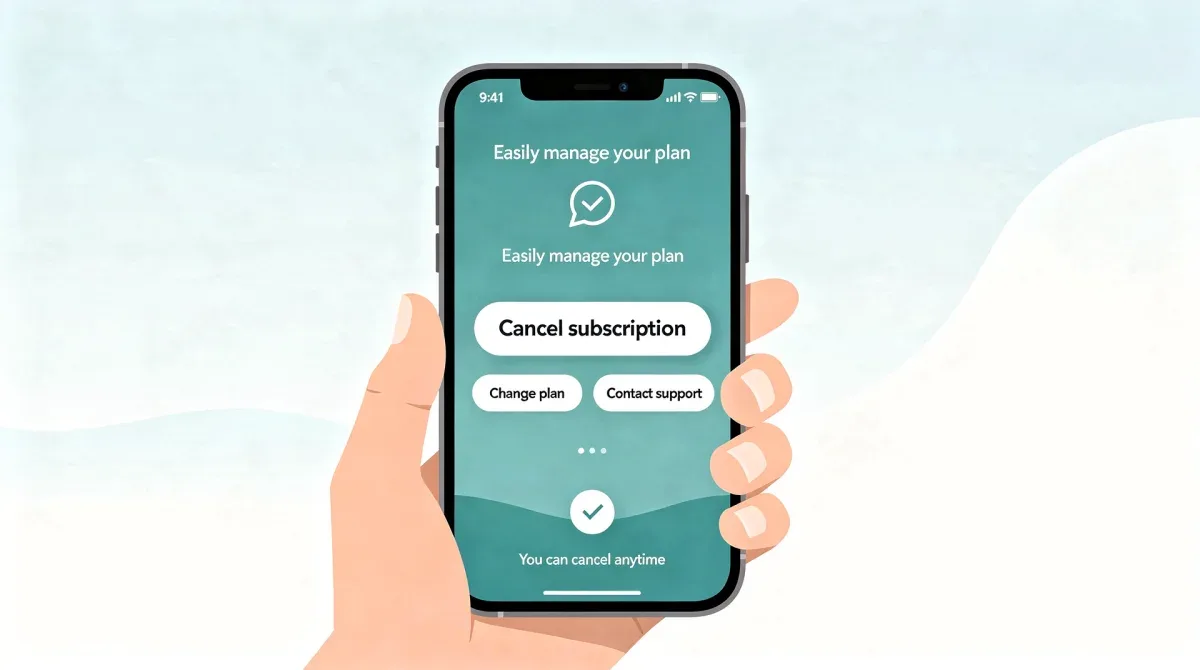
Specifically, the mandate requires that companies must offer cancellation methods that are at least as easy to use as the methods for signing up. If a consumer can subscribe online, they must be able to cancel online.
This principle of symmetry is central to the FTC's approach to consumer fairness. Businesses are also prohibited from charging for services after a cancellation request has been properly submitted within the 30-day window.
Furthermore, the FTC emphasizes that companies must clearly disclose all terms and conditions related to subscriptions, including automatic renewals and cancellation policies, at the point of sale.
This transparency ensures that consumers are fully informed before committing to any recurring service. The Federal Trade Commission Enforces 30-Day Cancellation Mandate aims to prevent surprises and empower informed decision-making.
Impact on Businesses and Compliance Requirements
For businesses, the FTC 30-Day Cancellation Mandate necessitates a comprehensive review and potential overhaul of their subscription management systems and customer service protocols.
Companies must ensure their cancellation procedures are streamlined, clearly communicated, and fully compliant with the new 30-day window. This includes updating websites, apps, and training customer support staff.
Companies must provide a simple and direct cancellation method.
Cancellation procedures should be as easy as the sign-up process.
No charges should be applied after a valid cancellation request within 30 days.
Clear disclosure of all subscription terms is mandatory at the point of sale.
Failure to comply with the Federal Trade Commission Enforces 30-Day Cancellation Mandate can result in significant financial penalties, including fines and orders for consumer refunds.
The FTC has a history of aggressive enforcement against companies that engage in deceptive practices, and this mandate is no exception. Businesses are advised to act swiftly to ensure full adherence to the new rules.
The transition period allows companies to adapt, but the expectation is that all nationwide subscription services will be fully compliant.
Proactive engagement with the new regulations will not only avoid penalties but also build greater trust with consumers, potentially leading to improved customer loyalty and satisfaction. The Federal Trade Commission Enforces 30-Day Cancellation Mandate creates a new standard for customer-centric operations.
Consumer Rights Under the New Mandate
Consumers now have significantly strengthened rights regarding the cancellation of subscription services, thanks to the Federal Trade Commission Enforces 30-Day Cancellation Mandate. This means an end to endless loops of customer service calls or navigating intentionally complex website menus just to stop a recurring charge. The new rules put the power back into the hands of the subscriber.
If you subscribe to a service, you are entitled to a clear, easy-to-find method for cancellation that is no more difficult than signing up.
This includes the right to cancel within a reasonable timeframe, with the FTC mandating that companies process these requests within 30 days. Any attempt by a company to delay or obstruct this process is a violation of federal law.
Consumers should also be aware that they cannot be charged for services beyond the point of their valid cancellation request. If a company continues to bill after you have properly submitted a cancellation, you have grounds to dispute those charges and seek a refund. The Federal Trade Commission Enforces 30-Day Cancellation Mandate provides a strong legal basis for these protections.
What to Do If a Company Does Not Comply
If you encounter a subscription service that fails to comply with the FTC 30-Day Cancellation Mandate, there are several steps you can take to assert your rights. The first step is to document your attempts to cancel, including dates, times, and any communication with the company. This evidence will be crucial if further action is needed.
Document all cancellation attempts (dates, times, communication).
Contact the company directly to resolve the issue, citing the FTC mandate.
File a complaint with the Federal Trade Commission (FTC).
Consider disputing unauthorized charges with your bank or credit card company.
You can file a complaint directly with the Federal Trade Commission through their website. The FTC relies on consumer reports to identify and investigate non-compliant businesses.
Your complaint contributes to the enforcement efforts and helps protect other consumers from similar unfair practices. The Federal Trade Commission Enforces 30-Day Cancellation Mandate provides a clear framework for these actions.
Additionally, if a company continues to charge you after a proper cancellation request, you can dispute those charges with your bank or credit card provider. Most financial institutions have processes in place to handle unauthorized charges and will investigate on your behalf, often leading to a refund. This new mandate strengthens your position in such disputes.
Broader Implications for the Subscription Economy
The Federal Trade Commission Enforces 30-Day Cancellation Mandate is poised to have far-reaching implications for the entire subscription economy.
While it presents compliance challenges for some businesses, it also fosters an environment of greater transparency and consumer trust, which can ultimately benefit the industry as a whole. Companies that embrace these changes are likely to see improved customer relations.
This regulatory shift encourages businesses to focus on providing genuine value to retain subscribers, rather than relying on difficult cancellation processes. It promotes a more competitive market where service quality and customer satisfaction become primary drivers for growth. Companies will need to innovate and deliver compelling reasons for customers to stay subscribed, rather than making it hard for them to leave.
The mandate also sets a precedent for future consumer protection regulations in the digital space, potentially influencing how other recurring services or digital products are governed.
It signals a growing commitment from regulatory bodies to ensure that digital transactions are fair and transparent for all parties involved. The Federal Trade Commission Enforces 30-Day Cancellation Mandate is more than just a rule; it's a statement about the future of online commerce.
Anticipated Market Adjustments and Innovations
In response to the FTC 30-Day Cancellation Mandate, many subscription services are expected to streamline their user interfaces, making cancellation options more prominent and accessible. This could lead to a wave of innovation in user experience design, focusing on clarity and ease of use for all aspects of the customer journey, not just onboarding.
We might also see new business models emerge that prioritize flexibility and short-term commitments, appealing to consumers who value ease of cancellation.
Companies may offer more transparent pricing tiers or pause options instead of outright cancellations, providing alternatives that benefit both the business and the customer. The Federal Trade Commission Enforces 30-Day Cancellation Mandate encourages such creative solutions.
Ultimately, this mandate could lead to a healthier, more trustworthy subscription market. Consumers will feel more confident signing up for new services knowing they can easily cancel if their needs change or if they are not satisfied.
This increased confidence could, paradoxically, lead to more subscriptions in the long run, as barriers to entry (and exit) are lowered. The Federal Trade Commission Enforces 30-Day Cancellation Mandate is designed to build this trust.
Preparing for the Future: What Businesses Should Do
Businesses operating nationwide subscription services must proactively prepare for the full impact of the Federal Trade Commission Enforces 30-Day Cancellation Mandate. This involves more than just a superficial change to a cancellation button; it requires a deep dive into customer journey mapping and legal compliance. Ignoring these requirements is not an option and carries substantial risks.
Companies should conduct a thorough audit of their current subscription and cancellation processes to identify any areas of non-compliance.
This audit should include reviewing website flows, app interfaces, terms of service, and customer support scripts. It's crucial to ensure that every touchpoint where a customer might interact with their subscription aligns with the new FTC guidelines.
Investing in user-friendly design and transparent communication will be key. Businesses that embrace these principles will not only meet regulatory requirements but also enhance their brand reputation and customer loyalty. The Federal Trade Commission Enforces 30-Day Cancellation Mandate offers an opportunity to improve the overall customer experience and foster long-term relationships.
Best Practices for Compliance
To ensure full compliance with the FTC 30-Day Cancellation Mandate, businesses should adopt several best practices. Firstly, make cancellation options prominently visible and easily accessible on all platforms where subscriptions are managed. Avoid requiring customers to search through multiple pages or click through numerous prompts.
Secondly, ensure that the cancellation process is straightforward and requires minimal steps. If a customer can sign up in three clicks, they should be able to cancel in three clicks. Training customer service representatives to handle cancellation requests efficiently and without coercion is also essential. They should be empowered to process cancellations quickly.
Finally, clearly communicate cancellation policies and any associated terms at the time of subscription and in periodic reminders. Transparency builds trust and reduces disputes. Adhering to these best practices will help companies navigate the Federal Trade Commission Enforces 30-Day Cancellation Mandate successfully and maintain a positive relationship with their customer base.

Consumer Vigilance and Advocacy
While the Federal Trade Commission Enforces 30-Day Cancellation Mandate provides a strong legal framework, consumer vigilance remains crucial. Individuals must be aware of their rights and be prepared to exercise them if a company attempts to circumvent the new regulations. Active participation in reporting non-compliant businesses strengthens the FTC's enforcement capabilities.
Consumers should carefully read terms and conditions before subscribing to any service, even with the new protections in place. Understanding the nuances of a subscription agreement can prevent future misunderstandings and make the cancellation process smoother if it becomes necessary. Informed consumers are empowered consumers in the evolving digital landscape.
Advocacy groups also play a vital role in monitoring compliance and educating the public about their rights under the FTC 30-Day Cancellation Mandate. By working together, consumers and advocacy organizations can ensure that the spirit of the law is upheld and that businesses are held accountable for fair practices. This collective effort is essential for a transparent marketplace.
The Role of Technology in Enforcement and Compliance
Technology will undoubtedly play a significant role in both the enforcement of and compliance with the FTC 30-Day Cancellation Mandate. The FTC may leverage data analytics and AI to identify patterns of non-compliance or unusually high cancellation friction reported by consumers. This technological oversight can make enforcement more efficient and targeted.
On the business side, companies can implement technological solutions to streamline their cancellation processes, such as dedicated cancellation portals with clear instructions and automated confirmation emails. These tools can help ensure that cancellation requests are processed accurately and within the mandated timeframe, reducing the likelihood of human error or intentional obstruction.
Furthermore, technology can facilitate transparent communication of terms and conditions, utilizing interactive disclosures or pop-up alerts during the sign-up process.
This ensures that consumers receive and acknowledge crucial information regarding their subscription and cancellation rights. The Federal Trade Commission Enforces 30-Day Cancellation Mandate encourages the adoption of such innovative approaches for better consumer protection.
Examining the Economic Impact of the Mandate
The Federal Trade Commission Enforces 30-Day Cancellation Mandate is expected to have a noticeable economic impact, influencing revenue models and customer acquisition strategies for subscription-based businesses.
While some companies might initially experience a slight increase in cancellations, the long-term benefits of enhanced consumer trust could outweigh these short-term adjustments. The market will adapt to these new rules.
Businesses may need to re-evaluate their pricing strategies and value propositions to ensure that customers feel they are consistently receiving adequate value for their money. This shift encourages a focus on customer retention through superior service and product quality, rather than through contractual lock-ins. It fosters a more competitive and dynamic market.
Ultimately, a fair and transparent subscription economy can lead to greater overall market stability and growth. When consumers feel respected and empowered, they are more likely to engage with subscription services, leading to a larger, more sustainable customer base for ethical businesses. The Federal Trade Commission Enforces 30-Day Cancellation Mandate is designed to cultivate this positive economic environment.
Potential Challenges and Opportunities
One potential challenge for businesses is the initial cost of overhauling existing systems to comply with the FTC 30-Day Cancellation Mandate. Smaller businesses, in particular, might find it challenging to implement these changes quickly. However, various software solutions and compliance consultants are emerging to help ease this transition.
On the opportunity side, businesses that proactively embrace the mandate can differentiate themselves as consumer-friendly and trustworthy. This can become a significant competitive advantage, attracting customers who prioritize transparency and ease of use. The Federal Trade Commission Enforces 30-Day Cancellation Mandate opens doors for brands to build stronger, more ethical relationships.
Moreover, by reducing friction in the cancellation process, companies might gain valuable insights into why customers are leaving, allowing them to make targeted improvements to their services.
This feedback loop can drive product innovation and enhance customer satisfaction, turning a regulatory challenge into a strategic opportunity. The mandate pushes companies towards genuine customer-centricity.
Key Point | Brief Description |
|---|---|
Mandate Overview | FTC requires easy cancellation within 30 days for nationwide subscriptions. |
Consumer Protection | Strengthens consumer rights against deceptive cancellation practices. |
Business Compliance | Companies must streamline cancellation processes and ensure transparency. |
Market Impact | Fosters trust and encourages competition based on service quality. |
Frequently Asked Questions About the FTC Mandate
What exactly does the FTC 30-Day Cancellation Mandate require?▼
The mandate requires nationwide subscription services to provide consumers with a cancellation method that is as easy to use as the sign-up process. Companies must process cancellations within 30 days of a valid request, and no further charges can be applied after this period.
Which types of services are affected by this new rule?▼
This mandate applies to all nationwide subscription services that automatically renew. This includes a broad range of offerings, such as streaming platforms, software subscriptions, fitness apps, and various online services that bill on a recurring basis.
What should I do if a company makes it difficult to cancel my subscription?▼
If you encounter difficulties, document all your cancellation attempts. Then, contact the company directly, citing the FTC mandate. If the issue persists, file a complaint with the Federal Trade Commission through their official website, and consider disputing charges with your bank.
Will this mandate increase or decrease subscription costs?▼
The direct impact on costs is unclear. While compliance might incur initial costs for businesses, increased consumer trust and competition based on value could lead to more competitive pricing or improved service offerings in the long run. The focus is on fairness, not necessarily price changes.
How does this mandate benefit consumers in the long term?▼
In the long term, this mandate fosters a more transparent and consumer-friendly subscription market. It empowers consumers with greater control over their finances, reduces stress associated with cancellations, and encourages businesses to compete on service quality rather than relying on deceptive retention tactics, building overall trust.
What this means
The Federal Trade Commission Enforces 30-Day Cancellation Mandate fundamentally reshapes the landscape of nationwide subscription services, prioritizing consumer rights and transparency. This significant regulatory move signals a commitment to combating deceptive practices and ensuring a fair digital marketplace.
Businesses must adapt swiftly to avoid penalties, while consumers gain enhanced protections and greater control over their recurring expenses. The long-term implications point towards a healthier subscription economy built on trust and value, rather than friction and frustration.