IRS Expands Free Direct File: $5.6 Billion Savings Projected
Advertisements
Tired of paying hefty fees just to file your taxes every spring? The IRS Direct File program is expanding nationwide, offering a genuinely free way to submit your federal return straight to the government.
What started as a limited pilot is now scaling up to save American households an estimated $5.6 billion in preparation costs. This major shift puts money back in your pocket while cutting out the middleman.
Whether you usually dread tax season or just want a simpler digital option, this rollout could change how you file forever. Here is everything you need to know about who qualifies and how the new platform works.
Understanding the Nationwide Direct File Expansion
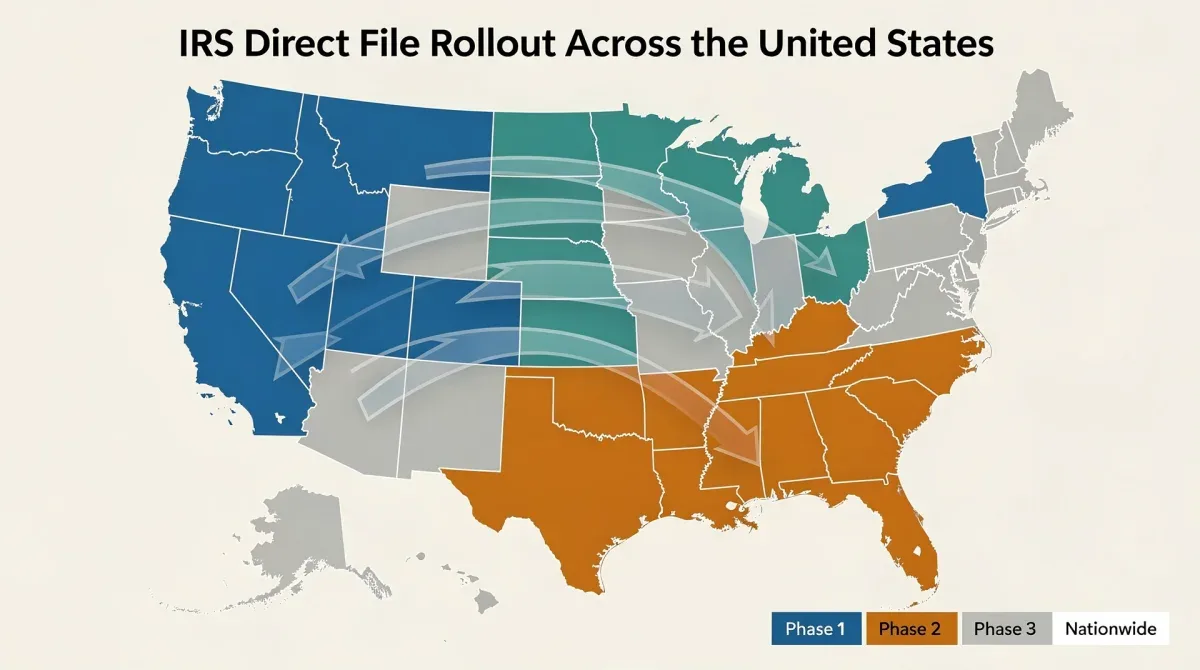
The IRS's decision to expand the Direct File system nationwide follows a successful pilot program that gathered crucial feedback and demonstrated the viability of a government-provided tax filing option.
This strategic move is designed to address a long-standing need for more accessible and affordable tax preparation services, directly impacting millions of taxpayers across the country.
The expansion is not merely an increase in geographical reach but a testament to the IRS's commitment to leveraging technology for public service.
By offering a free, direct channel, the agency aims to empower taxpayers, reducing their reliance on costly third-party software or professional assistance. This shift is poised to democratize tax filing, making it more equitable for diverse economic backgrounds.
This initiative comes at a time when financial literacy and consumer savings are paramount concerns for many American households. The IRS Direct File Expansion directly contributes to these goals by removing financial barriers to tax compliance, ensuring that more Americans can keep a larger portion of their hard-earned money.
The expansion of the IRS Direct File system nationwide marks a significant shift in how Americans can file their federal income taxes. This move is a direct response to calls for greater accessibility and affordability in tax preparation, offering a streamlined process directly from the government.
The system's rollout will be carefully managed, building on lessons learned from the initial pilot phase. The IRS is committed to ensuring a smooth transition and providing comprehensive support to taxpayers as they adopt this new filing method. This approach aims to maximize user satisfaction and minimize potential hurdles during tax season.
Ultimately, the nationwide expansion of the IRS Direct File Expansion is about empowering taxpayers with a free, secure, and straightforward option. This initiative reflects a broader effort to modernize the IRS and improve its services for all Americans, fostering greater trust and efficiency in the tax system.
Projected $5.6 Billion in Consumer Savings: A Deeper Look
The estimated $5.6 billion in consumer savings is a compelling figure, underscoring the profound economic impact of the IRS's nationwide Direct File expansion. This projection considers the fees taxpayers typically pay for commercial tax software and professional preparers, which can range from tens to hundreds of dollars per filing.
For many low to middle-income households, these fees represent a significant financial burden, especially when combined with other living expenses.
The ability to file federal taxes for free means these funds can be redirected to essential needs, savings, or investments, directly improving financial well-being. This aspect of the IRS Direct File Expansion is particularly impactful.
The methodology behind this savings projection involves analyzing current tax filing behaviors, average preparation costs, and the anticipated adoption rate of the Direct File system. The IRS, alongside independent economic analysts, has meticulously calculated these figures to provide a realistic outlook on the benefits to American consumers.
How the Savings are Calculated
The savings are primarily derived from eliminating the fees associated with commercial tax preparation services. These fees vary widely depending on the complexity of the tax return and the software or professional chosen. By offering a direct, free alternative, the IRS effectively removes this expense for eligible filers.
Furthermore, indirect savings may also accrue from reduced time spent navigating complex forms or deciphering intricate tax instructions, though these are harder to quantify.
The simplicity and user-friendliness of the Direct File system are designed to minimize frustration and maximize efficiency for the user. The IRS Direct File Expansion simplifies a traditionally complex process.
Elimination of commercial software fees.
Avoidance of professional tax preparer costs.
Potential for reduced errors due to simplified interface.
Increased financial flexibility for households.
The projected $5.6 billion also considers the broad scope of the expansion, anticipating that a substantial portion of the eligible taxpaying population will opt for the free service. This widespread adoption is critical for realizing the full economic benefit across the nation.
Eligibility and Accessibility for the IRS Direct File Expansion
As the IRS Direct File system expands nationwide, understanding eligibility criteria is crucial for taxpayers considering this new option. The system is designed to serve a specific segment of the taxpaying population, primarily those with simpler tax situations, to ensure a smooth and effective user experience.
Initially, the Direct File system caters to taxpayers reporting common income types, such as W-2 wages, Social Security benefits, and unemployment compensation.
It also supports claiming standard deductions and certain tax credits, like the Earned Income Tax Credit and the Child Tax Credit. This focus ensures the system remains straightforward and manageable for its target audience.
The IRS is committed to making the Direct File system as accessible as possible, with plans for continuous improvement and potential expansion of eligible tax scenarios in future years. The goal is to incrementally broaden its utility while maintaining its core principle of simplicity and cost-free filing. The IRS Direct File Expansion is a developing resource.
Who Can Use Direct File?
The Direct File system is specifically tailored for individuals with relatively straightforward tax returns. This includes those who take the standard deduction rather than itemizing, and those whose income sources are primarily from wages, interest, or unemployment benefits. The current scope aims to serve a significant portion of the American taxpaying public.
Taxpayers with more complex financial situations, such as those with extensive self-employment income, business expenses, or various investment portfolios, may find the current Direct File system insufficient for their needs.
However, the IRS is evaluating feedback to potentially incorporate more complex scenarios in future iterations. The IRS Direct File Expansion will grow.
W-2 wage earners.
Individuals receiving Social Security or unemployment benefits.
Taxpayers claiming the standard deduction.
Filers claiming Earned Income Tax Credit or Child Tax Credit.
The IRS provides clear guidelines and a user-friendly eligibility checker on its website to help taxpayers quickly determine if Direct File is the right option for them. This transparency is key to managing expectations and guiding users to the most appropriate filing method.
Technological Advancements and User Experience
The success of the IRS Direct File Expansion hinges significantly on its technological infrastructure and the overall user experience it provides. The IRS has invested in developing a platform that is not only secure and reliable but also intuitive and easy to navigate, even for those who may not be tech-savvy.
The system incorporates modern web design principles, ensuring a streamlined process from start to finish, with clear instructions and prompts at each step. This focus on user-centric design aims to demystify the tax filing process, making it less daunting and more accessible to a broader audience. The IRS Direct File Expansion prioritizes simplicity.
Feedback from the pilot program played a crucial role in refining the platform, leading to enhancements that address common pain points and improve overall efficiency.
The IRS is committed to continuous improvement, regularly updating the system to incorporate new features and respond to evolving taxpayer needs. This iterative approach ensures the platform remains cutting-edge and effective.
The technical architecture behind Direct File is built with robust security measures to protect sensitive taxpayer information. This includes advanced encryption, multi-factor authentication, and regular security audits, ensuring that user data remains confidential and secure against cyber threats. The integrity of the IRS Direct File Expansion is paramount.
The user interface is designed with simplicity in mind, using plain language and avoiding complex jargon wherever possible. This approach helps taxpayers understand each step of the filing process, reducing confusion and the likelihood of errors. The system also offers guided assistance and readily available help resources.
Accessibility features are also a key component, ensuring that the platform can be used by individuals with various needs, including those who use assistive technologies. This commitment to inclusivity ensures that the benefits of the IRS Direct File Expansion are available to as many Americans as possible.
Impact on Traditional Tax Preparation Services
The nationwide expansion of the IRS Direct File system is poised to have a noticeable impact on the landscape of traditional tax preparation services. While it may not entirely replace commercial software or professional preparers, it introduces a significant, free alternative that could shift market dynamics and consumer choices.
Commercial tax software companies and independent tax professionals may experience a decrease in clients, particularly among those with simpler tax returns who are now eligible for the free Direct File service. This could prompt these services to innovate, focusing on more complex tax situations or offering enhanced value-added services. The IRS Direct File Expansion creates competition.
However, it is also important to note that many taxpayers, especially those with intricate financial affairs or those who prefer personalized advice, will likely continue to rely on paid services. The Direct File system is not intended to be a one-size-fits-all solution but rather a valuable addition to the existing ecosystem of tax filing options. The IRS Direct File Expansion diversifies choices.
Market Adjustments and Innovation
The introduction of a free, government-backed filing option could spur innovation within the commercial tax preparation industry.
Companies might respond by developing more sophisticated tools for complex returns, offering specialized consulting, or enhancing customer support to retain their client base. This competitive pressure could ultimately benefit consumers by driving up quality and service levels across the board.
Professional tax preparers, particularly Certified Public Accountants (CPAs) and Enrolled Agents (EAs), will likely continue to serve clients with complex tax situations, business tax needs, and those requiring financial planning advice. Their expertise goes beyond simple form filling, offering invaluable guidance on tax strategies and compliance. The IRS Direct File Expansion complements these roles.
Increased competition for commercial tax software.
Potential shift in focus for paid preparers to complex cases.
Innovation in value-added services from commercial providers.
Greater emphasis on specialized tax advice.
Ultimately, the long-term impact on traditional services will depend on the adoption rate of the Direct File system and the evolving needs of taxpayers. The IRS Direct File Expansion is likely to foster a more dynamic and competitive environment, pushing all providers to offer better value.

The Future of Tax Filing: Efficiency and Equity
The nationwide expansion of the IRS Direct File system represents a significant step towards a more efficient and equitable tax filing landscape in the United States. This initiative aligns with broader efforts to modernize government services, making them more accessible and user-friendly for all citizens.
By providing a direct, free channel for federal tax filing, the IRS is addressing a fundamental issue of equity, ensuring that financial status does not impede a citizen's ability to comply with tax obligations. This move fosters greater trust in government institutions and demonstrates a commitment to public service. The IRS Direct File Expansion enhances public trust.
Looking ahead, the success of this expansion could pave the way for further enhancements and broader applicability of the Direct File system. This iterative approach to development suggests a future where tax filing is less burdensome, more transparent, and truly free for a vast majority of Americans. The IRS Direct File Expansion is just the beginning.
The long-term vision for the Direct File system includes exploring options to integrate state tax filing, further simplifying the process for taxpayers in states with income taxes. Such integration would represent another monumental step towards a truly unified and free tax filing experience, maximizing the benefits of the IRS Direct File Expansion.
This initiative also contributes to improved governmental efficiency by reducing the administrative overhead associated with processing paper returns and handling inquiries related to commercial software issues. A more streamlined digital process benefits both taxpayers and the IRS, optimizing resource allocation.
The commitment to efficiency and equity through the IRS Direct File Expansion highlights a forward-thinking approach to public administration. It underscores the potential for technological solutions to solve long-standing challenges and deliver substantial benefits directly to the American people.
Key Point | Brief Description |
|---|---|
Nationwide Expansion | IRS Direct File system now available across all U.S. states. |
Consumer Savings | Projected $5.6 billion in savings for eligible taxpayers. |
Eligibility | Primarily for simple tax returns, standard deductions, common income types. |
Future Outlook | Potential for state tax integration and expanded eligibility. |
Frequently Asked Questions About IRS Direct File
What is the IRS Direct File system?▼
The IRS Direct File system is a new, free online tool provided directly by the IRS, allowing eligible taxpayers to file their federal income taxes without cost. It aims to simplify the filing process and reduce reliance on paid commercial software or professional preparers, making tax compliance more accessible for many Americans.
How much money can I save using IRS Direct File?▼
The IRS projects that the nationwide expansion of the Direct File system will save American consumers an estimated $5.6 billion. Individual savings will vary based on what they would typically pay for commercial tax software or professional preparation services, which can range significantly depending on complexity.
Who is eligible to use the expanded Direct File system?▼
Eligibility is currently focused on taxpayers with simpler tax situations, including those with W-2 income, Social Security benefits, unemployment compensation, and those claiming standard deductions and common credits like the Earned Income Tax Credit and Child Tax Credit. The IRS provides an online tool to check specific eligibility.
Will the IRS Direct File system also handle state taxes?▼
Currently, the IRS Direct File system is designed exclusively for federal income tax filing. However, the IRS has indicated that future enhancements could explore options for integrating state tax filing, which would further streamline the process for taxpayers in states with income taxes, building on the success of the federal expansion.
How will the Direct File expansion impact commercial tax preparation services?▼
The expansion is expected to introduce more competition, potentially leading commercial tax software companies and preparers to innovate and focus on more complex tax scenarios or enhanced value-added services. While some taxpayers may switch to Direct File, those with intricate financial situations will likely continue to use paid services.
Looking Ahead: The Evolution of Tax Filing
The nationwide expansion of the IRS Direct File Expansion is more than just a new filing option; it signals a significant evolution in how Americans interact with their tax obligations. This initiative sets a precedent for direct government services that prioritize user accessibility and financial relief, reshaping expectations for future interactions.
As the system matures, ongoing developments will likely focus on expanding eligibility to include more complex tax situations and potentially integrating state-level filing.
These advancements will further solidify the Direct File system's role as a cornerstone of tax administration, directly benefiting millions and reinforcing the commitment to a more equitable and efficient tax system for all U.S. citizens.
The long-term vision for the Direct File system includes exploring options to integrate state tax filing, further simplifying the process for taxpayers in states with income taxes. Such integration would represent another monumental step towards a truly unified and free tax filing experience, maximizing the benefits of the IRS Direct File Expansion.
This initiative also contributes to improved governmental efficiency by reducing the administrative overhead associated with processing paper returns and handling inquiries related to commercial software issues. A more streamlined digital process benefits both taxpayers and the IRS, optimizing resource allocation.
The commitment to efficiency and equity through the IRS Direct File Expansion highlights a forward-thinking approach to public administration. It underscores the potential for technological solutions to solve long-standing challenges and deliver substantial benefits directly to the American people.