New Era for Loyalty Programs: 2026 Trends Show Increased Personalization and Value for Shoppers
Advertisements
The landscape of consumer retention is shifting, forcing brands to rethink how they retain their audience. To stay ahead, businesses must adapt to a new era for Loyalty Programs, where generic points are replaced by hyper-personalized rewards.
In 2026, data analytics and AI have turned standard customer rewards into bespoke experiences. This evolution moves past transactional incentives to foster genuine emotional connections, making shoppers feel uniquely understood.
For forward-thinking brands, mastering these tailoring strategies is no longer optional—it is the ultimate currency for consumer allegiance. Discover the essential shifts driving customer appreciation and how to deliver unparalleled value this year.
The Core of Personalization: Data-Driven Insights
The bedrock of the New Era for Loyalty Programs lies in sophisticated data collection and analysis.
Brands are no longer content with basic demographic information; they are delving into purchasing history, browsing behavior, social media interactions, and even real-time location data to build comprehensive customer profiles. This granular understanding allows for the creation of truly individualized loyalty pathways.
Utilizing advanced algorithms, companies can segment their audience with unprecedented precision, identifying micro-segments with unique preferences and needs.
This empowers marketers to craft offers, recommendations, and communications that feel uniquely designed for each recipient, fostering a sense of recognition and appreciation. The result is a more effective allocation of marketing resources and a higher return on investment for loyalty initiatives.
However, the ethical implications of data usage are paramount in this new landscape. Transparency and consumer trust are critical; brands must clearly communicate how data is collected and used, ensuring privacy and offering customers control over their information.
Building this trust is essential for the sustained success of personalized loyalty programs.
Leveraging AI and Machine Learning for Hyper-Personalization
Artificial intelligence (AI) and machine learning (ML) are the engines driving hyper-personalization within the New Era for Loyalty Programs.
These technologies enable brands to process vast amounts of customer data, identify complex patterns, and predict future behaviors with remarkable accuracy. This predictive capability allows for proactive engagement and highly relevant offers.
- Dynamic offer generation based on real-time behavior.
- Personalized product recommendations across all channels.
- Anticipating customer needs before they are explicitly stated.
- Optimizing communication timing and preferred channels.
AI-powered loyalty programs can adapt and evolve in real-time, learning from each customer interaction to refine future engagements.
This continuous optimization ensures that the program remains fresh, relevant, and continuously adds value to the customer relationship, preventing the stagnation often seen in traditional models.
Beyond Points: Experiential Rewards and Emotional Connection
While points and discounts remain a component, the New Era for Loyalty Programs emphasizes experiential rewards that create lasting memories and foster emotional connections.
These can range from exclusive access to events and personalized styling sessions to early product releases and bespoke services. The goal is to move beyond monetary value to create a sense of belonging and exclusivity.
Brands are investing in understanding what truly motivates their most valuable customers, tailoring reward catalogs to reflect these desires. This might mean offering a unique culinary experience to a food enthusiast or a private workshop to a hobbyist, rather than a generic discount.
Such differentiated rewards elevate the perceived value of the loyalty program and strengthen the bond between customer and brand.
Moreover, the emotional aspect extends to recognizing and celebrating customer milestones, such as birthdays, anniversaries, or loyalty program enrollment anniversaries.
Small, personalized gestures can have a significant impact, making customers feel valued and understood beyond their transactional relationship. This human touch is increasingly vital in a digital-first world.
Community Building and Social Engagement
Another emerging trend in the New Era for Loyalty Programs is the integration of community-building elements. Loyalty programs are evolving into platforms where like-minded customers can connect, share experiences, and even co-create products or services with the brand.
This fosters a sense of collective identity and reinforces loyalty through social bonds.
- Exclusive online forums or social groups for loyal members.
- Opportunities for customers to provide feedback and influence product development.
- Member-only events that encourage networking and interaction.
- Gamification elements that promote friendly competition and engagement.
By transforming loyalty programs into vibrant communities, brands can tap into the power of peer influence and advocacy. Members become brand ambassadors, sharing their positive experiences and attracting new customers through authentic recommendations.
This organic growth is highly valuable and cost-effective compared to traditional marketing efforts.
Seamless Integration Across Channels: Omnichannel Loyalty
The effectiveness of loyalty programs in the New Era for Loyalty Programs hinges on seamless integration across all customer touchpoints.
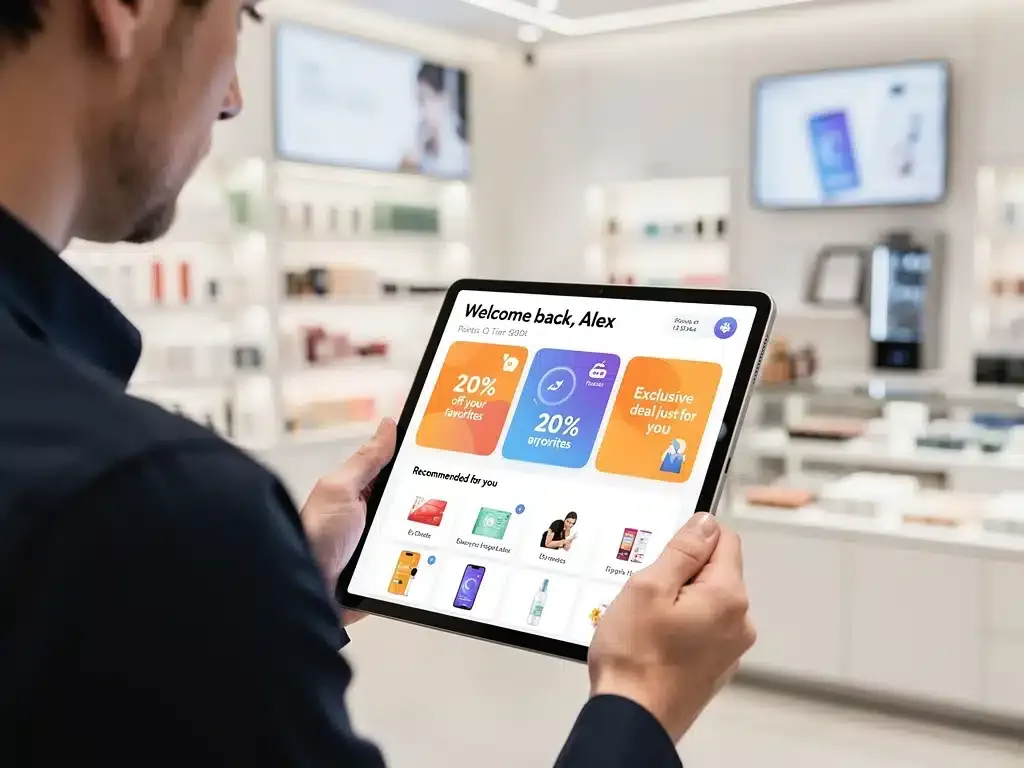
Whether a customer interacts online, in-store, via mobile app, or through customer service, their loyalty profile and personalized offers must be consistently accessible and up-to-date. This omnichannel approach ensures a cohesive and frictionless experience.
This requires robust technological infrastructure that can synchronize data in real-time across various platforms. The customer should feel that their loyalty journey is a continuous, unified experience, rather than a series of disconnected interactions.
This consistency builds trust and reinforces the perceived value of the program, making it easier for customers to engage.
For example, a customer might browse products online, add them to a wishlist, receive a personalized offer for those items via email, and then complete the purchase in-store, with their loyalty points automatically updated. This fluid journey is what defines successful omnichannel loyalty in the current landscape.
Mobile-First Strategies and Wallet Integration
Mobile devices are central to the omnichannel loyalty experience. The New Era for Loyalty Programs sees loyalty programs deeply embedded within mobile apps and digital wallets.
This provides instant access to rewards, personalized offers, and seamless payment options, enhancing convenience and encouraging frequent interaction.
- Digital loyalty cards stored in mobile wallets for easy access.
- Push notifications for personalized offers based on location or browsing history.
- In-app personalized content and exclusive member features.
- Mobile payment integration for streamlined transactions and point accrual.
The immediacy and ubiquity of mobile technology make it an indispensable tool for delivering personalized loyalty experiences.
Brands are designing their programs with a mobile-first mindset, ensuring that the most valuable features and benefits are readily available at the customer’s fingertips, anytime and anywhere.
Measuring Success: Evolving Metrics for Loyalty Programs
In the New Era for Loyalty Programs, measuring the success of loyalty programs goes beyond simple redemption rates. Brands are adopting more sophisticated metrics that reflect the deeper impact of personalization on customer behavior and overall business health.
These include customer lifetime value (CLTV), churn reduction, brand advocacy, and engagement rates across various channels.
Understanding the incrementality of loyalty programs—that is, the additional value generated specifically by the program itself—is crucial.
This involves A/B testing personalized offers against generic ones and analyzing the long-term impact on customer spending and retention. The goal is to demonstrate a clear return on investment for the significant resources invested in personalization.
Furthermore, qualitative metrics, such as customer satisfaction scores (CSAT) and Net Promoter Scores (NPS), are becoming increasingly important.
These metrics provide insights into the emotional connection customers have with the brand and their willingness to recommend it, directly reflecting the success of personalized experiences in fostering true loyalty.
Challenges and Ethical Considerations in Personalization
While the benefits of personalization are clear, the New Era for Loyalty Programs also presents significant challenges. Data privacy concerns remain paramount, with consumers increasingly wary of how their personal information is used.
Brands must navigate these concerns with transparency and build strong trust with their customer base.
The risk of ‘creepy’ personalization, where offers feel intrusive rather than helpful, is a fine line brands must carefully manage. Over-personalization or using data in ways that feel invasive can quickly erode trust and lead to customer backlash.
Striking the right balance requires a deep understanding of customer expectations and clear communication.
Moreover, implementing and maintaining highly personalized loyalty programs requires substantial investment in technology, data infrastructure, and skilled personnel.
Smaller businesses may find it challenging to compete with larger enterprises that have vast resources. However, scalable solutions and partnerships are emerging to democratize access to advanced personalization tools, allowing more brands to participate in this new era.
The Future Landscape: Predictive Loyalty and Proactive Engagement
Looking ahead, the New Era for Loyalty Programs will increasingly focus on predictive loyalty. This involves using advanced analytics to anticipate customer needs and potential churn risks before they materialize, allowing brands to intervene proactively with highly relevant offers or support.
Imagine a loyalty program that knows you’re considering a competitor and offers a compelling reason to stay, before you even start looking.
Proactive engagement will move beyond simple recommendations to offering solutions to unspoken needs.
For example, a travel loyalty program might suggest flight upgrades or hotel amenities based on past preferences and upcoming travel patterns, rather than waiting for the customer to request them.
This level of foresight transforms loyalty from a reactive reward system into a proactive customer advocacy platform.
The integration of voice AI and conversational interfaces will also play a significant role. Customers will be able to interact with their loyalty programs naturally, asking questions, redeeming rewards, and receiving personalized assistance through voice commands.
This will further enhance the seamlessness and convenience of loyalty experiences, making them an integral part of daily life.
Subscription Models and Tiered Benefits
The New Era for Loyalty Programs is also witnessing a rise in hybrid loyalty models that combine traditional points with subscription-based benefits.
These tiered programs offer escalating levels of personalization and exclusivity, rewarding the most loyal customers with premium services and experiences for a recurring fee or based on spending thresholds.
- Paid loyalty tiers offering enhanced benefits and faster reward accumulation.
- Exclusive access to premium products, services, or events for top-tier members.
- Personalized customer service and dedicated account managers.
- Early access to sales and new product launches as a core benefit.
These subscription models create a strong commitment from customers, who are more likely to engage deeply with a brand once they have invested in a paid loyalty tier.
For brands, it provides a predictable revenue stream and a clear path to identifying and nurturing their most valuable customer segments, reinforcing the value exchange at the heart of modern loyalty.
The evolution of loyalty programs is not a static process; it’s a dynamic adaptation to changing consumer expectations and technological advancements.
Brands that embrace the principles of personalization, transparency, and value creation will be best positioned to thrive in this competitive environment, building enduring relationships with their customers.
| Key Trend | Brief Description |
|---|---|
| Hyper-Personalization | Leveraging AI and data for individualized offers and experiences. |
| Experiential Rewards | Focus on unique experiences over generic discounts for emotional connection. |
| Omnichannel Integration | Seamless loyalty experience across all digital and physical touchpoints. |
| Predictive Loyalty | Proactive engagement anticipating customer needs and preventing churn. |
Frequently Asked Questions About Loyalty Programs
What defines the New Era for Loyalty Programs: 2026 Trends Show Increased Personalization and Value for Shoppers.?▼This new era is characterized by a profound shift towards hyper-personalization, driven by advanced data analytics and AI. It moves beyond traditional points systems to offer individualized experiences, emotional connections, and tailored value, reflecting a deeper understanding of each customer’s unique preferences and behaviors.
How does AI contribute to personalization in loyalty programs?▼AI and machine learning analyze vast datasets to identify complex customer patterns, predict future behaviors, and generate dynamic, real-time offers. This enables brands to provide highly relevant product recommendations, optimize communication timing, and anticipate needs, making the loyalty program feel uniquely designed for each individual.
Are traditional points and discounts still relevant in personalized loyalty programs?▼While traditional points and discounts remain a component, their role is evolving. In the new era, they are often combined with experiential rewards and personalized benefits that create deeper emotional connections. The emphasis is on delivering a mix of tangible and intangible value that resonates specifically with the individual customer’s desires.
What are the main challenges brands face with personalized loyalty programs?▼Key challenges include ensuring data privacy and transparency, avoiding ‘creepy’ or intrusive personalization, and managing the significant technological and resource investments required. Building and maintaining customer trust while leveraging data effectively is a delicate balance that brands must continuously strive to achieve.
How will customer loyalty programs evolve by 2026?▼By 2026, loyalty programs are expected to become even more predictive and proactive. They will anticipate customer needs and potential churn, intervening with timely, hyper-relevant offers. Integration with voice AI, conversational interfaces, and hybrid subscription models will also be prevalent, creating highly seamless and deeply embedded experiences.
Looking Ahead: The Personalized Future of Customer Loyalty
The New Era for Loyalty Programs signals a fundamental shift in how businesses cultivate customer allegiance. This evolution is not just about adapting to new technologies but fundamentally rethinking the relationship between brand and consumer.
It demands a commitment to understanding individual needs, respecting privacy, and consistently delivering genuine, personalized value.
Brands that successfully navigate this landscape will forge stronger, more resilient relationships with their customers, turning transactional interactions into deeply personal connections.
The ongoing developments in AI and data analytics will continue to push the boundaries of what’s possible, making loyalty programs more intuitive, predictive, and ultimately, more valuable for everyone involved.
For consumers, this means a future where loyalty truly pays off in ways that matter most to them, making every interaction with their favorite brands a rewarding and personalized experience.
The journey towards this hyper-personalized future is well underway, promising exciting transformations for the retail and service industries alike.