Navigate Free Trials: Avoid Unwanted Charges in 2026

Anúncios
Implementing seven expert strategies is crucial to successfully navigate free trial programs in 2026, ensuring consumers avoid unwanted charges and fully leverage the intended benefits without financial surprises.
Anúncios
In an increasingly digital world, free trial programs offer an enticing gateway to new services and products. However, without careful management, these offers can quickly turn into unexpected charges. This guide will help you to avoid common pitfalls: 7 expert strategies to successfully navigate free trial programs without unwanted charges in 2026, empowering you to enjoy the benefits without the financial surprises.
Understanding the allure and risks of free trials
Free trials are a ubiquitous marketing tool designed to let consumers experience a product or service before committing to a purchase. They provide a valuable opportunity to test functionality, assess value, and determine if a subscription aligns with your needs. However, beneath the surface of convenience lies a landscape fraught with potential pitfalls, primarily the risk of incurring unwanted charges.
Anúncios
Many companies strategically design trial periods to seamlessly transition into paid subscriptions, often banking on consumer forgetfulness or oversight. The terms and conditions, though legally binding, can be complex and easily overlooked. Understanding both the appeal and the inherent risks is the first step toward mastering free trial navigation.
The psychology behind free trials
Businesses leverage powerful psychological principles when offering free trials. The ‘endowment effect’ makes us value something more once we feel we own it, even temporarily. ‘Loss aversion’ makes us reluctant to give up something we’ve grown accustomed to, which can make canceling a trial feel like a loss. Companies know that if you use their service for a week or a month, you’re more likely to continue paying for it.
- Initial low barrier to entry encourages sign-ups.
- Habit formation during the trial period increases retention.
- Fear of missing out on features or benefits drives continued use.
- Convenience of not having to re-subscribe if satisfied.
Common reasons for unwanted charges
Unwanted charges typically stem from a few key issues. Forgetting the trial end date is perhaps the most common. In other instances, consumers might not fully understand the cancellation process, assuming a simple click will suffice when a more involved procedure is required. Sometimes, the initial sign-up process might obscure the auto-renewal clause, leading to frustration when the first bill arrives.
The complexity of managing multiple trials across different platforms also contributes to this problem. Without a centralized system or a clear strategy, keeping track of various end dates and cancellation policies becomes a daunting task. This often results in charges for services that are no longer wanted or used.
Navigating free trials successfully requires a proactive approach, starting with a clear understanding of what you’re signing up for and how to effectively manage it. This foundational knowledge empowers you to avoid the common traps that lead to unexpected financial burdens.
Strategy 1: read the fine print thoroughly
Before enthusiastically clicking ‘sign up’ for any free trial, it is paramount to invest time in reading the terms and conditions. While often lengthy and dense, this document contains all the crucial information regarding the trial’s duration, what happens at its conclusion, and the exact steps required for cancellation. Overlooking this step is the most frequent cause of unexpected charges.
Many consumers skim or ignore these sections, assuming standard practices. However, each company may have unique policies, particularly concerning auto-renewal and cancellation procedures. A few minutes of careful review can save you significant frustration and money in the long run.
Key elements to scrutinize in the terms and conditions
When reviewing the fine print, focus on specific clauses that directly impact your financial liability. Identifying these elements upfront will equip you with the knowledge needed to manage the trial effectively and prevent unwanted charges.
- Trial duration: Note the exact start and end dates.
- Auto-renewal policy: Understand if and when the trial automatically converts to a paid subscription.
- Cancellation process: Detail the precise steps required to cancel, including any specific forms, links, or contact methods.
- Payment information required: Confirm if payment details are mandatory for the trial and how they will be used.
Understanding hidden clauses and disclaimers
Some companies embed crucial information within less obvious sections or use legal jargon that can be confusing. Be vigilant for disclaimers about service limitations during the trial, or clauses that might require you to contact customer support during specific hours to cancel. These details, though seemingly minor, can significantly impact your ability to cancel on time.
It is also wise to check for any penalties or fees associated with late cancellation or early termination, although these are less common with typical free trials. Knowing these details empowers you to make informed decisions and act decisively before the trial concludes.
A thorough review of the fine print is not merely a suggestion; it is a critical first line of defense against unexpected charges. By understanding the rules of engagement, you position yourself to control the outcome of every free trial you undertake.
Strategy 2: use a dedicated reminder system
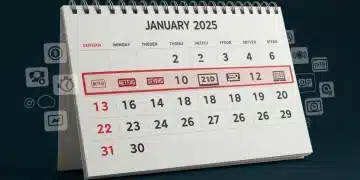
One of the most effective strategies to avoid unwanted charges is to implement a robust reminder system. Human memory is fallible, especially when managing multiple commitments. Relying solely on your mind to remember trial end dates is a recipe for overlooked deadlines and subsequent billing. A dedicated system ensures you receive timely notifications, giving you ample opportunity to decide whether to continue or cancel.
This system can be as simple or as sophisticated as you need, but its core purpose remains the same: to alert you well in advance of the trial’s expiration. This proactive approach eliminates the stress of last-minute scrambling and significantly reduces the risk of accidental charges.
Effective tools for setting reminders
Several tools can assist you in creating an efficient reminder system. Digital calendars like Google Calendar, Outlook Calendar, or Apple Calendar are excellent choices, allowing you to set multiple alerts for each trial. You can configure reminders to pop up days or even a week before the trial ends, providing a comfortable buffer.
- Smartphone calendar apps: Easy to use and always with you.
- Dedicated subscription management apps: Designed specifically for tracking trials and recurring payments.
- Browser extensions: Some tools integrate directly into your web browsing experience.
- Simple physical notes: For those who prefer tangible reminders, a sticky note on your monitor or a planner works too.
Setting up multiple alerts for optimal timing
To maximize effectiveness, consider setting at least two reminders for each free trial. The first reminder, perhaps a week before the trial ends, serves as a soft alert, prompting you to evaluate the service and consider your decision. This allows time for research, comparison, or even contacting customer support if you have questions.
The second reminder, set 24-48 hours before the trial expires, acts as a final call to action. This is when you should proceed with cancellation if you’ve decided not to continue, or make a note to keep the subscription if you’re satisfied. This layered approach minimizes the chance of missing the crucial cancellation window.
A well-structured reminder system is your personal safeguard against the common pitfall of forgetting. It empowers you to maintain control over your subscriptions and ensures that every free trial remains truly free until you consciously decide otherwise.
Strategy 3: use virtual credit cards or privacy cards
One of the most innovative and secure strategies for navigating free trial programs is the use of virtual credit cards or privacy cards. These services provide unique, temporary card numbers linked to your primary bank account or credit card, offering an additional layer of security and control. They are particularly effective in preventing unwanted charges because you can often set spending limits or expiration dates that align with the trial period.
This method acts as a financial firewall, ensuring that even if you forget to cancel a trial, the company cannot automatically charge your main account beyond the specified limit or after the card expires. It provides peace of mind and significantly reduces the financial risk associated with free trials.
How virtual cards enhance security
Virtual cards generate a distinct card number for each transaction or vendor. This means your actual credit card details are never directly exposed to the merchant. If a virtual card number is compromised, it has limited utility, as it can often only be used for that specific merchant or within a set spending limit. This protects your primary financial accounts from potential breaches.
- Limited exposure: Your real card number remains private.
- Disposable numbers: Some services offer single-use virtual cards.
- Merchant-specific cards: Assign a unique card to each trial.
- Fraud prevention: Reduces risk of unauthorized charges if a merchant’s database is hacked.
Setting spending limits and expiration dates
The true power of virtual cards for free trials lies in their customizable features. Many providers allow you to set a maximum spending limit, often as low as $1, which prevents any substantial charge from going through if the trial auto-renews. You can also set a specific expiration date that matches or slightly precedes the trial’s end date, effectively deactivating the card before any potential charges occur.
This approach transforms the risk of a forgotten cancellation into a non-issue. Even if you completely overlook the reminder, the virtual card will simply decline any attempt to charge your account, alerting you to the active subscription without incurring any cost. It’s a highly recommended strategy for anyone frequently engaging with free trial offers.
Embracing virtual credit cards provides a robust and proactive defense against the financial pitfalls of free trials. It shifts power back to the consumer, offering unparalleled control over potential charges and safeguarding your finances.
Strategy 4: understand cancellation policies and processes
Knowing precisely how to cancel a free trial is just as crucial as knowing when to cancel it. Companies often have specific, sometimes multi-step, cancellation processes that differ significantly from the initial sign-up. Assuming a simple click on an ‘unsubscribe’ button will suffice can lead to frustration and unexpected charges if the actual process is more involved.
Before the trial even begins, or at the very least, as you approach the end date, familiarize yourself with the exact steps required. This foresight prevents last-minute panic and ensures a smooth, successful cancellation, safeguarding your financial interests.
Common cancellation methods to expect
Cancellation processes vary widely. Some services offer a straightforward ‘cancel subscription’ button within your account settings. Others might require you to fill out a form, send an email, or even call customer service during specific hours. Being aware of these different approaches will help you prepare and execute the cancellation efficiently.
- In-app or website settings: Often the easiest and most common method.
- Email request: Some services require a formal email to their support team.
- Phone call to customer service: Can be time-consuming but sometimes necessary.
- Physical mail: Rare, but some legacy services might still require this.
Documenting your cancellation attempt
Even after following the cancellation steps, it’s wise to keep a record of your actions. Take screenshots of confirmation pages, save confirmation emails, or note down the date, time, and name of the representative if you cancel via phone. This documentation serves as proof of your attempt to cancel, should any disputes arise regarding subsequent charges.
This step is particularly important for services with less transparent cancellation processes or those that have a history of billing issues. Having concrete evidence of your cancellation can save you significant hassle and potential financial loss if you need to contest an unwanted charge.
A clear understanding and diligent execution of cancellation policies are indispensable for truly free trials. By mastering this aspect, you ensure that you retain full control over your subscriptions and avoid any lingering financial obligations.
Strategy 5: monitor your bank and credit card statements
Even with the most meticulous planning and reminder systems, vigilance is key. Regularly monitoring your bank and credit card statements serves as a critical final line of defense against any unwanted charges from free trial programs. This practice allows you to quickly identify and dispute any unauthorized transactions, preventing them from becoming a recurring financial drain.
Many consumers only glance at their statements or wait until the end of the month, by which time a recurring charge might have already appeared multiple times. A proactive approach to statement review ensures you catch discrepancies early, making the dispute process much simpler and more effective.
Frequency of statement review
Consider reviewing your statements more frequently, especially if you have several active free trials. Daily or weekly checks, particularly during the period immediately following a trial’s supposed end, can highlight any unexpected charges almost instantly. Most banking apps and online portals offer real-time transaction updates, making this practice convenient.
This heightened awareness allows you to act swiftly. The sooner you identify an unauthorized charge, the easier it is to contact the merchant or your bank to resolve the issue. Delays can complicate matters, especially if a service provider claims you used the service post-trial.
Steps to take if an unwanted charge appears
If you discover an unwanted charge from a free trial, act immediately. First, contact the merchant directly. Explain that you canceled the trial and were charged incorrectly, providing any documentation you have from your cancellation attempt. Many companies will issue a refund if you can demonstrate a valid cancellation.
If the merchant is uncooperative or unresponsive, your next step is to dispute the charge with your bank or credit card company. They have procedures in place to investigate and reverse unauthorized transactions. Be prepared to provide all relevant details and documentation to support your claim. This process protects your finances and encourages companies to adhere to fair billing practices.
Consistent statement monitoring is a non-negotiable habit for anyone wishing to navigate free trials without financial surprises. It empowers you to maintain control and ensures that your money stays where it belongs.
Strategy 6: evaluate the service before the trial ends
The primary purpose of a free trial is to allow you to evaluate a product or service before making a financial commitment. However, many users fail to fully engage with the service during the trial period, leaving them unprepared to make an informed decision when the end date approaches. This often leads to hasty cancellations or, worse, unintended subscriptions simply because a thorough evaluation wasn’t conducted.
To truly leverage the free trial, allocate specific time to explore its features, test its limits, and determine its actual value to you. This proactive assessment is crucial for making a conscious choice rather than reacting to an impending charge.
Key questions to ask during evaluation
As you use the service, keep a mental checklist or even a physical one to guide your evaluation. Consider how the service integrates into your daily routine, whether it truly solves a problem for you, and if its benefits outweigh the potential cost. These questions help to quantify the value proposition.
- Does the service meet the specific needs I signed up for?
- Is it easy to use and intuitive, or does it require significant effort?
- Are there unique features that set it apart from alternatives?
- What would be the financial cost after the trial, and is it justified?
- How often would I genuinely use this service?
Making an informed decision: continue or cancel?
Based on your evaluation, make a clear decision before the trial ends. If the service proves invaluable, you can confidently let it convert to a paid subscription. If it falls short of expectations, or if you simply won’t use it enough to justify the cost, then proceed with cancellation immediately.
Avoid the trap of procrastination. The decision to continue or cancel should be a deliberate one, made well in advance of the deadline. This thoughtful approach ensures that every subscription you maintain genuinely adds value to your life, and every cancellation is a conscious choice to save money.
A thorough and timely evaluation transforms a passive free trial into an active decision-making process. By engaging with the service and asking critical questions, you empower yourself to make intelligent choices about your subscriptions.
Strategy 7: leverage customer support for clarity
Customer support channels are often underutilized resources when it comes to free trial programs. Many consumers hesitate to contact support unless a problem arises, but reaching out proactively can provide invaluable clarity and prevent potential issues. Don’t underestimate the power of direct communication to understand terms, clarify cancellation processes, or even address concerns before they escalate into unwanted charges.
Engaging with customer support before the trial ends is a smart, proactive strategy that ensures you have all the information needed to make informed decisions and manage your subscription effectively.
When and how to contact support
Consider contacting customer support early in your trial, especially if the terms and conditions are unclear or if you have specific questions about the service. Many services offer live chat, email support, or phone lines. Choose the method that best suits your query and provides a clear record of the interaction.
- Clarify trial end dates: If unsure, ask for the exact date and time.
- Understand cancellation steps: Request a step-by-step guide.
- Inquire about specific features: Ensure the service meets your needs.
- Address billing concerns: Get clarity on post-trial charges.
Documenting interactions for future reference
Always keep a record of your interactions with customer support. If you use live chat, save the transcript. If you email, retain the sent and received messages. For phone calls, note the date, time, the representative’s name, and a summary of the conversation. This documentation can be crucial if you later need to dispute an unwanted charge or clarify a misunderstanding.
Having a clear record provides an undeniable paper trail, demonstrating your proactive efforts to manage the trial responsibly. This can be a powerful tool in resolving any billing discrepancies smoothly and efficiently, ensuring that your free trial experience remains genuinely free of unexpected costs.
Leveraging customer support is a strategy of empowerment. By actively seeking clarity and documenting your communications, you equip yourself with the knowledge and evidence needed to navigate any free trial with confidence and control.
| Key Strategy | Brief Description |
|---|---|
| Read the Fine Print | Understand terms, duration, and cancellation process before signing up. |
| Dedicated Reminders | Set multiple alerts to avoid missing trial end dates. |
| Virtual Credit Cards | Use temporary card numbers with limits to prevent unwanted charges. |
| Monitor Statements | Regularly check for unauthorized transactions and dispute promptly. |
Frequently Asked Questions About Free Trials
The most common reason for unwanted charges is simply forgetting to cancel the trial before its expiration date. Many services automatically convert free trials into paid subscriptions, and without a timely cancellation, consumers are billed for a service they may no longer want or need.
While you can use a debit card, it’s generally not recommended. Debit cards are directly linked to your bank account, making it harder to dispute charges compared to credit cards. Virtual credit cards or a dedicated low-limit credit card are safer alternatives.
It’s advisable to set at least two reminders: one a week before the trial ends to evaluate the service, and a second one 24-48 hours before the deadline to execute the cancellation if you decide not to continue. This provides ample time and reduces stress.
If a company refuses a refund, gather all your documentation (cancellation confirmation, communication records) and dispute the charge directly with your bank or credit card provider. They have procedures to investigate and potentially reverse unauthorized transactions on your behalf.
Free trials are only truly free if you cancel them before the specified trial period ends. Failure to do so almost always results in an automatic conversion to a paid subscription, leading to charges. Diligent management is key to keeping them free.
Conclusion
Navigating the landscape of free trial programs in 2026 requires a blend of vigilance, proactive planning, and smart financial habits. By diligently applying these seven expert strategies—from thoroughly reading the fine print and setting robust reminders to utilizing virtual credit cards and monitoring your statements—you empower yourself to fully enjoy the benefits of new services without the unwelcome surprise of unexpected charges. Taking control of your free trials means taking control of your financial well-being, ensuring every digital exploration remains a choice, not an obligation.