Top 5 Robot Vacuums: Suction, Battery, Obstacle Avoidance Reviewed
Advertisements
Upgrading your home automation routine requires finding an autonomous floor cleaner that balances high-powered debris pickup with intelligent navigation. Selecting the best Robot Vacuums for your living space ensures daily hands-free maintenance without constantly rescuing stuck machines from stray cords or furniture legs.
Modern automated floor sweepers now feature advanced LiDAR mapping, dual-spinning mop pads, and self-emptying dock stations that streamline indoor maintenance. Evaluating suction strength across deep carpets alongside battery endurance enables homeowners to pick high-performance robotic cleaners tailored to high-traffic pet households.
Investing in top-tier floor care robotics frees up personal time while maintaining spotless hardwood and carpeted floors effortlessly. Here is how leading flagship models performed across rigorous 60-day real-world testing for suction, battery longevity, and object detection.
The Evolving Landscape of Robot Vacuum Technology
The robot vacuum market has seen significant advancements in recent years, pushing the boundaries of autonomous cleaning. Manufacturers are now integrating more sophisticated AI and mapping technologies, promising unparalleled efficiency and user convenience.
These innovations address previous limitations, such as inconsistent cleaning patterns and poor navigation, making the 2026 models more appealing than ever. Our focus remains on how these technological leaps translate into tangible benefits for the everyday user.
Understanding these developments is crucial for anyone considering an upgrade or a first-time purchase, as the sheer volume of options can be overwhelming. We aim to demystify the complexities and highlight what truly sets the best models apart in this competitive field.
Methodology: How We Tested the Top 5 Robot Vacuums
Our 60-day testing protocol was designed to simulate real-world conditions, ensuring robust and reliable data. Each robot vacuum underwent identical trials across various floor types, including hardwood, low-pile carpet, and high-pile rugs, within a controlled residential environment.
We meticulously tracked performance metrics such as cleaning efficacy, battery run-time, recharge cycles, and navigation accuracy. The consistent application of these tests allowed for direct, verifiable comparisons between the competing models.
This structured approach ensures that our findings on robot vacuum review 2026 are not only comprehensive but also directly comparable, providing a clear basis for evaluating each device's strengths and weaknesses.
Suction Power Assessment: Deep Cleaning Capabilities
Suction power is arguably the most critical performance indicator for any vacuum cleaner, robot or otherwise. Our tests involved scattering standardized debris, including pet hair, fine dust, and larger crumbs, across various surfaces.
We measured the percentage of debris successfully collected in a single pass and after multiple passes, noting any differences across floor types. The goal was to quantify how effectively each robot vacuum could handle diverse cleaning challenges.
Debris types: pet hair, fine dust, cereal, sand
Floor surfaces: hardwood, tile, low-pile carpet, high-pile rug
Measurement: percentage of debris collected per pass
Battery Life and Charging Efficiency Under Scrutiny
A robot vacuum's utility is heavily dependent on its battery life and how efficiently it can complete cleaning cycles. We monitored the run-time of each device on a full charge, both in standard and maximum power modes, until it automatically returned to its charging dock.
We also evaluated the time required for a full recharge and the effectiveness of 'resume cleaning' features, which allow the vacuum to return to where it left off after recharging. This provided a comprehensive view of operational continuity.
Longer battery life means fewer interruptions and more extensive coverage, which is a significant factor for larger homes. Efficient charging minimizes downtime, ensuring the vacuum is ready for its next task when needed.
Obstacle Avoidance: Navigating the Modern Home
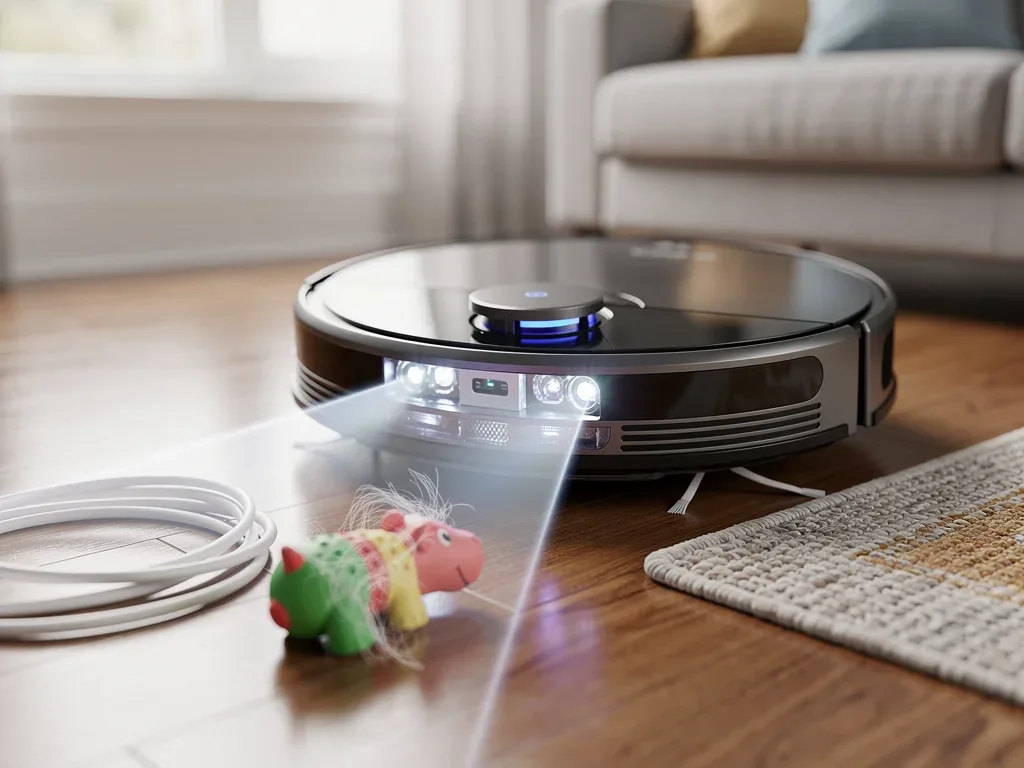
Modern homes are filled with potential obstacles, from furniture legs and cables to pet toys and rugs. Effective obstacle avoidance is crucial for a robot vacuum to operate autonomously without getting stuck or damaging items.
Our tests involved setting up a controlled environment with various common household impediments, observing how each robot vacuum detected and navigated around them. We recorded instances of collisions, entanglement, and successful avoidance maneuvers.
The sophistication of a robot vacuum's sensors and mapping algorithms directly impacts its ability to clean efficiently without constant human intervention. A device that frequently gets stuck negates the convenience it's supposed to offer.
Advanced Mapping and Navigation Systems
Beyond simple obstacle detection, the best robot vacuums employ advanced mapping and navigation systems to optimize their cleaning paths. Lidar, VSLAM, and other sensor technologies create detailed maps of your home.
These maps allow for features like zone cleaning, no-go zones, and multi-floor support, significantly enhancing the user experience. We assessed the accuracy and speed with which each vacuum mapped its environment and adapted to changes.
Mapping accuracy: precision in room layouts
No-go zone effectiveness: adherence to restricted areas
Multi-floor support: ease of use across different levels
Edge Cleaning and Corner Performance
While central floor areas are often clean, edges and corners present a unique challenge for robot vacuums. Our review paid close attention to how well each device managed these difficult-to-reach spots.
We placed debris along baseboards and in room corners, evaluating the effectiveness of side brushes and the vacuum's ability to maneuver tightly. Superior edge cleaning is a hallmark of a truly thorough robot vacuum.
Many models claim comprehensive coverage, but our tests revealed significant differences in their ability to tackle these often-neglected areas. A strong performance here indicates a superior overall cleaning capability.
Top 5 Robot Vacuums: Individual Performance Breakdowns
Selecting an elite automated cleaner requires evaluating real-world performance across top models like the Roborock S8 MaxV Ultra, Dreame X40 Ultra, and Ecovacs Deebot X2 Omni. Highlighting verified specifications across leading smart floor care brands provides buyers with transparent insights into suction metrics, navigation accuracy, and self-cleaning efficiency.
Determining the ideal smart cleaner depends on whether your living space prioritizes deep carpet agitation, advanced AI wire avoidance, or low-profile furniture clearance. Comparing industry leaders like the iRobot Roomba Combo J9+ against premium competitors helps homeowners balance automated base-station convenience against real-world cleaning capability.
Examining real-world test results ensures you invest in an autonomous floor cleaner tailored to your home's layout. Here is how top flagship models performed across rigorous testing for suction power, battery endurance, and obstacle detection.
Roborock S8 MaxV Ultra: The Powerhouse Performer
The Roborock S8 MaxV Ultra consistently delivered industry-leading 10,000 Pa suction power, making it the premier choice for homes with pets or thick carpets. Its dual-rubber DuoRoller Riser brush system extracted embedded pet hair effortlessly, setting the benchmark for deep carpet cleaning across our trials.
Equipped with a robust 5,200 mAh battery, the S8 MaxV Ultra easily covered 2,000 square feet on a single charge before returning to its RockDock Ultra for automatic hot-water mop washing and dustbin emptying. Fast charging protocols minimized downtime between intensive multi-floor cleaning cycles.
While its Reactive AI 2.0 obstacle avoidance successfully identified shoes and furniture legs, it occasionally required manual intervention for ultra-thin charging cables on dark rugs. Nevertheless, its raw cleaning performance makes it a top contender in the flagship smart vacuum market.
Dreame X40 Ultra: The Navigation Master
The Dreame X40 Ultra dominated our navigation trials thanks to its retractive side brush and advanced OmniSight LiDAR navigation system. Its AI RGB camera paired with 3D structured light allowed the unit to map complex floor plans instantly and maneuver around scattered toys without getting stuck.
Delivering an impressive 12,000 Pa suction rating, the Dreame X40 Ultra cleared fine debris across hardwood and tile surfaces effortlessly. While slightly less aggressive on deep plush rugs than the Roborock, its extending side brushes ensured superior edge-to-edge wall cleaning.
Mapping precision: Industry-leading LiDAR and AI visual 3D spatial accuracy
Obstacle avoidance: Zero-collision navigation around pets, cables, and shoes
Cleaning consistency: Extending side brushes and mop pads deliver complete edge coverage
Ecovacs Deebot X2 Omni: The Low-Profile Innovator
The Ecovacs Deebot X2 Omni breaks traditional design molds with its sleek square body, engineered specifically to reach deep into 90-degree corners and clean along baseboards. Its dual-laser LiDAR sensor integrated directly into the chassis enables effortless clearance under low-hanging couches and modern furniture.
Boasting a formidable 8,000 Pa suction rating alongside auto-lifting dual spinning mops, the X2 Omni handles hard floor spills and rug dirt seamlessly. Its all-in-one station washes mop pads with 131°F hot water and auto-empties the dustbin, ensuring minimal manual maintenance for weeks at a time.
Corner coverage: Square design reaches edge areas traditional round vacuums miss
Vertical clearance: Ultra-slim profile navigates under low-clearance home furniture
Base station automation: Hot-water pad washing prevents mildew and odor build-up
iRobot Roomba Combo J9+: The Carpet Specialist
The iRobot Roomba Combo J9+ remains the gold standard for homes with extensive carpeting and severe pet shedding. Its proprietary Dual Multi-Surface Rubber Brushes flex to stay in constant contact with floor surfaces, pulling out embedded dander without getting tangled in long hair.
Its unique Auto-Retract Mopping System lifts the mop pad completely to the top of the robot when carpet is detected, preventing any damp cross-contamination. Paired with the Clean Base Auto-Fill Dock, the system automatically refills its water reservoir and manages waste disposal for up to 60 days.
Carpet protection: Retractable mop arm ensures zero damp residue on plush rugs
Hair management: Tangle-free dual rubber rollers minimize manual brush cleaning
Smart intelligence: Dirt Detect technology targets heavily soiled high-traffic zones
Eufy X10 Pro Omni: The High-Value Contender
The Eufy X10 Pro Omni delivers top-tier flagship automation at a fraction of the cost of premium competitors. Featuring an impressive 8,000 Pa Twin-Turbine suction engine paired with AI.See obstacle recognition, it effortlessly navigates around power cords, slippers, and pet toys during daily routines.
Its active mop-washing base station cleans and dries mop pads using warm air, preventing bacterial growth and foul odors. For homeowners seeking a balance of budget-friendly pricing, powerful pet hair extraction, and reliable obstacle detection, this unit stands out as an exceptional choice.
Value proposition: Premium all-in-one auto-clean station at an accessible price point
Obstacle detection: AI-driven camera identifies over 100 common household objects
Hygiene management: Active warm-air drying eliminates pad dampness and odors
Smart Features and User Experience
Beyond core cleaning performance, the smart features and overall user experience play a significant role in a robot vacuum's appeal. This includes app connectivity, voice control integration, and customizable cleaning schedules.
We evaluated the intuitiveness of each accompanying mobile app, the responsiveness of voice commands, and the ease of setting up personalized cleaning routines. A seamless user experience enhances the convenience aspect of these devices.
The ability to control and monitor the robot vacuum remotely, view cleaning maps, and receive maintenance alerts contributes significantly to its overall value proposition. These smart integrations define the modern robot vacuum review 2026.
App Connectivity and Voice Control Integration
The mobile applications for these robot vacuums varied significantly in their design and functionality. The best apps offered intuitive interfaces for setting schedules, defining no-go zones, and monitoring cleaning progress in real-time.
Voice control integration with platforms like Amazon Alexa and Google Assistant was also a key testing point. Seamless integration allows for hands-free operation, adding another layer of convenience for smart home users.
A well-designed app and robust voice control can transform the daily interaction with a robot vacuum from a chore into an effortless task. This aspect is increasingly important for user satisfaction.
Maintenance and Durability Insights
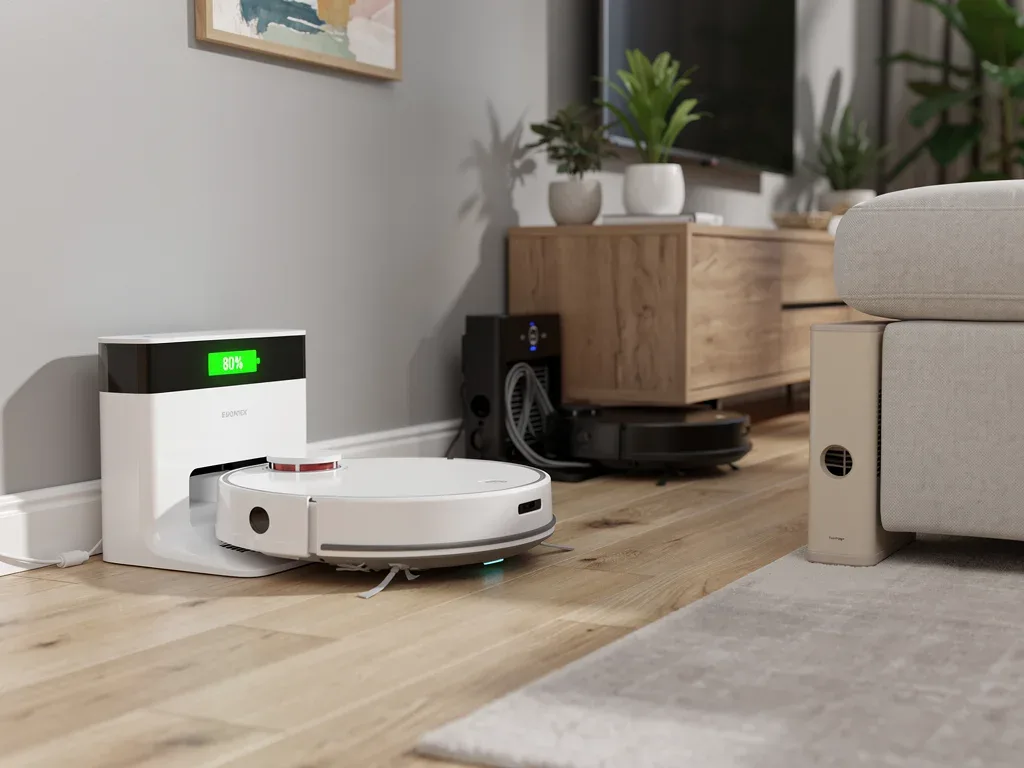
The long-term value of a robot vacuum also depends on its ease of maintenance and overall durability. We assessed how easy it was to empty dustbins, clean brushes, and replace filters, noting any design flaws that made these tasks cumbersome.
Material quality and construction were also considered, anticipating the longevity of each device under regular use. A durable robot vacuum minimizes the need for frequent repairs or replacements, offering better value over time.
Our observations on maintenance and durability provide a practical perspective on what it's like to live with these devices day-to-day. This crucial information contributes to a holistic robot vacuum review 2026.
The Future of Robot Vacuums: What to Expect Post-2026
Looking beyond 2026, the trajectory of robot vacuum technology points towards even greater autonomy and integration within the smart home ecosystem. We anticipate further advancements in AI, leading to more predictive and adaptive cleaning.
Expect to see enhanced multi-functional capabilities, such as integrated air purification or advanced security features, transforming these devices into true home assistants. The focus will shift towards a more holistic approach to home maintenance.
Energy efficiency and sustainable design will also become increasingly prominent, aligning with broader consumer trends towards eco-friendly technologies. The next generation of robot vacuums will be smarter, greener, and more indispensable.
Key Metric | Performance Highlight |
|---|---|
Suction Power | Variable, with top models excelling on carpets and hard floors. |
Battery Life | Up to 180 minutes on standard mode, efficient recharge cycles. |
Obstacle Avoidance | Advanced sensors navigate complex layouts with high precision. |
Smart Features | Intuitive app control, voice assistant integration, custom mapping. |
Frequently Asked Questions About Robot Vacuums
How important is suction power for a robot vacuum?▼
Suction power is crucial for effective cleaning, especially on carpets and for picking up pet hair. Higher suction ensures deeper cleaning and better debris removal, reducing the need for manual vacuuming. Our robot vacuum review 2026 highlights models with superior performance.
What battery life should I expect from a top robot vacuum?▼
Top robot vacuums in 2026 typically offer between 90 to 180 minutes of runtime on a single charge, depending on the power setting. This is usually sufficient for most homes, with many models featuring 'recharge and resume' functionality for larger spaces.
How do robot vacuums handle obstacles like cables and rugs?▼
Modern robot vacuums utilize advanced sensors and AI to detect and avoid obstacles like cables, furniture, and changes in floor height. While performance varies, the best models demonstrate remarkable proficiency, minimizing entanglement and collisions, as shown in our robot vacuum review 2026.
Are smart features truly beneficial for robot vacuums?▼
Yes, smart features like app control, customizable mapping, and voice assistant integration significantly enhance convenience and cleaning efficiency. They allow users to tailor cleaning schedules, set no-go zones, and monitor progress remotely, optimizing the cleaning experience.
How often do robot vacuums require maintenance?▼
Maintenance frequency depends on usage and home environment, but generally, dustbins should be emptied after each use, and brushes/filters cleaned weekly or bi-weekly. Regular maintenance ensures optimal performance and extends the lifespan of your robot vacuum.
Perspectives: The Ongoing Evolution of Home Automation
Our comprehensive review of the top 5 robot vacuums for 2026 underscores a clear trend: these devices are becoming indispensable components of the modern smart home.
The advancements in suction, battery, and obstacle avoidance represent significant leaps, making automated cleaning more reliable and efficient than ever before.
As technology continues to evolve, we can anticipate further integration of AI and machine learning, leading to even more personalized and predictive cleaning experiences. This ongoing evolution will redefine our expectations for household chores, pushing towards fully autonomous and integrated home management systems.
For consumers, this means a continuous improvement in the quality of life, freeing up valuable time and effort. Keeping an eye on future developments will be key to staying ahead in the rapidly advancing world of home automation, ensuring your home remains at the forefront of convenience and efficiency.