New Regulations on Subscription Services Effective January 2026: Avoid Unwanted Charges

Advertisements
Ever felt trapped by a recurring charge you never meant to authorize? With strict new consumer protection guidelines targeting Subscription Services taking effect this year, managing your digital memberships and recurring payments just got significantly easier.
Regulatory authorities are cracking down on hidden fees, dark patterns, and frustratingly complex opt-out loops. Under the updated compliance standards, companies are required to make ending a recurring membership just as straightforward as signing up.
Whether you are trying to clean up your monthly budget or run a compliant billing process, here is everything you need to know about the new consumer safeguards. Read on to discover how these updated policies protect your wallet from unwanted surprise charges.
Advertisements
Understanding the New Regulatory Landscape for Subscription Services
The federal government, in conjunction with consumer protection agencies, has unveiled comprehensive guidelines designed to enhance transparency and fairness in the subscription economy.
These rules are a direct response to a growing number of consumer complaints regarding hidden fees, automatic renewals, and overly complex cancellation procedures.
Effective January 2026, companies offering subscription services will face stricter requirements for clearly disclosing terms, obtaining explicit consent for renewals, and providing straightforward cancellation mechanisms.
This represents a pivotal shift, moving the onus from the consumer to the service provider to ensure clarity and ease of management.
The goal is to foster a more trustworthy marketplace where consumers can subscribe with confidence, knowing their rights are protected and their financial commitments are transparent.
This proactive approach by regulators seeks to mitigate common pitfalls that have led to significant consumer frustration and financial strain over the years.
Key Provisions of the Subscription Service Regulations 2026
The new framework introduces several critical provisions that will impact how businesses design and manage their subscription offerings. These include mandatory clear and conspicuous disclosures of all material terms before purchase, such as price, renewal dates, and cancellation policies.
Furthermore, companies must provide an easy-to-use mechanism for consumers to cancel their subscriptions, often referred to as a “click-to-cancel” option, that is as straightforward as the initial sign-up process.
This eliminates the need for phone calls, lengthy email exchanges, or navigating convoluted menus.
Another significant aspect is the requirement for explicit consent for automatic renewals, along with timely reminders before a subscription automatically renews.
These measures are designed to prevent consumers from being charged for services they no longer wish to use or may have forgotten about.
- Clear disclosure of all subscription terms and conditions.
- Simplified, one-click cancellation options for all services.
- Mandatory renewal reminders and explicit consent for auto-renewals.
The enforcement mechanisms for these new regulations are also being strengthened, with provisions for significant penalties for non-compliance. This underscores the seriousness with which authorities are approaching consumer protection in the digital subscription space.
Impact on Consumers: Avoiding Unwanted Charges
For consumers, the New Regulations on Subscription Services. offers a much-needed layer of protection against deceptive practices.
The most immediate benefit will be the increased ease with which individuals can understand what they are signing up for and how to terminate services when no longer needed.
This regulatory shift empowers consumers to take greater control of their spending, reducing the likelihood of unexpected charges appearing on bank statements.
With clearer terms and easier cancellations, budgeting for subscription services becomes more predictable and manageable for households across the United States.
The enhanced transparency will also foster greater trust between consumers and service providers, potentially encouraging more informed decision-making regarding subscription choices.
This ultimately leads to a healthier and more competitive market where companies are incentivized to offer superior service and fair terms.
Empowering Consumers with Simplified Cancellations
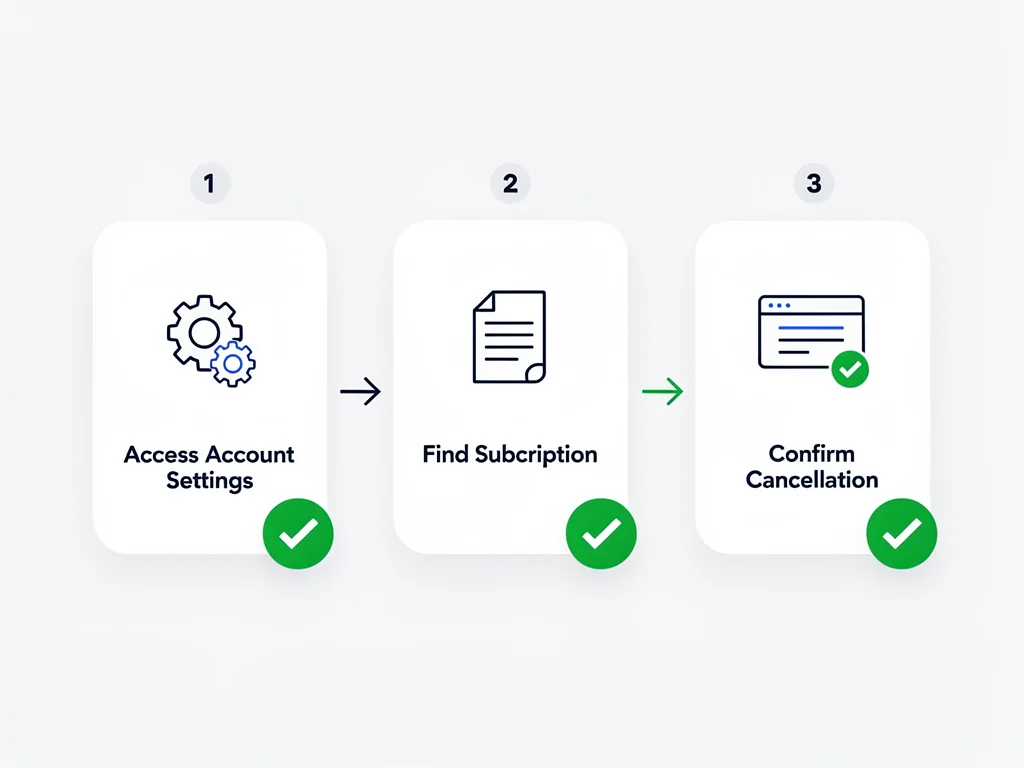
One of the most significant changes for consumers is the mandate for simplified cancellation processes. No longer will individuals need to navigate complex phone trees or send multiple emails to cancel a service they no longer desire.
The “click-to-cancel” requirement ensures that ending a subscription is as easy as starting one. This parity in user experience is a direct response to years of consumer frustration and will significantly reduce the time and effort involved in managing recurring payments.
This simplification is expected to lead to a decrease in “zombie subscriptions”—services that continue to charge consumers long after they intended to cancel. The new rules aim to put an end to these often-overlooked drains on personal finances.
- Access account settings directly for cancellation.
- No more hidden links or lengthy customer service calls.
- Confirmation of cancellation must be provided promptly.
These streamlined processes are a cornerstone of the Subscription Service Regulations 2026, ensuring that consumers can confidently manage their digital financial footprint.
Business Adjustments and Compliance Strategies
For businesses, the New Regulations on Subscription Services necessitates a thorough review and overhaul of existing practices. Companies must proactively adapt their platforms, terms of service, and customer interaction protocols to ensure full compliance before the effective date.
This involves redesigning user interfaces for sign-up and cancellation flows, updating legal documentation, and implementing new notification systems for renewal reminders.
Early adoption and transparent communication with customers about these changes can help maintain trust and reduce potential backlash.
Companies that embrace these regulations as an opportunity to improve customer experience rather than merely a compliance burden are likely to fare better in the evolving subscription landscape. Proactive engagement with the new rules can turn a challenge into a competitive advantage.
Redefining User Experience in Subscription Management
The impending regulations will force businesses to rethink the entire customer journey, particularly regarding subscription management. This includes making cancellation options prominent and easily accessible, often within a few clicks from the main user dashboard.
Service providers will also need to ensure that their pre-purchase disclosures are unambiguous and presented in a way that is easily digestible by the average consumer. This means avoiding jargon and utilizing clear, concise language to explain all terms.
Furthermore, businesses must develop robust systems for tracking customer consent for renewals and for sending timely, clear reminders. These operational changes require significant investment in technology and staff training to ensure seamless implementation.
- Revamp sign-up and cancellation interfaces for clarity.
- Update terms and conditions to reflect new disclosure requirements.
- Implement automated renewal reminder systems effectively.
Ultimately, these adjustments will lead to a more customer-centric approach, benefiting both consumers and businesses in the long run by fostering greater transparency and trust in the subscription model.
The Role of Regulatory Bodies and Enforcement
Various federal and state regulatory bodies will play a crucial role in enforcing the New Regulations on Subscription Services. Agencies such as the Federal Trade Commission (FTC) and state Attorneys General will be at the forefront of monitoring compliance and addressing violations.
These bodies are expected to issue detailed guidance and conduct educational campaigns to inform both businesses and consumers about their rights and obligations under the new rules.
This proactive approach aims to ensure a smooth transition and widespread understanding of the regulatory changes.
Enforcement actions will likely include investigations into consumer complaints, issuance of warnings, and imposition of significant fines for companies found to be in violation.
The goal is to create a strong deterrent against non-compliant practices and to protect consumers from predatory subscription models.
Ensuring Fair Play in the Subscription Economy
The regulatory framework is designed to ensure a level playing field, where businesses compete on the quality of their services rather than on deceptive practices. This shift is expected to benefit smaller businesses that prioritize customer satisfaction and transparency.
Consumer advocates have lauded the upcoming regulations as a significant step forward in protecting individuals from financial exploitation. The robust enforcement mechanisms are critical to ensuring that the new rules have a real and lasting impact on the market.
The collaboration between federal and state agencies will be key to effective oversight, ensuring that companies operating across different jurisdictions adhere to consistent standards. This coordinated effort will strengthen consumer protection nationwide.
- FTC and State Attorneys General leading enforcement efforts.
- Educational initiatives for businesses and consumers.
- Significant penalties for non-compliance to deter violations.
The regulatory bodies are signaling a clear message: the era of confusing and difficult-to-cancel subscriptions is coming to an end with the Subscription Service Regulations 2026.

Preparing for January 2026: A Consumer Checklist
As the effective date for the New Regulations on Subscription Services draws near, consumers should take proactive steps to prepare. Reviewing existing subscriptions and understanding their current terms is a crucial first step.
This preparation involves auditing your bank statements and credit card bills for recurring charges, identifying any subscriptions you may have forgotten about, and making a note of their renewal dates. Being organized now will make it easier to leverage the new regulations when they come into effect.
Educating yourself on the specific provisions of the new rules will also be beneficial. Knowing your rights will empower you to challenge non-compliant practices and ensure that service providers adhere to the simplified cancellation requirements.
Practical Steps for Managing Your Subscriptions
To effectively manage your subscriptions under the new regime, consider creating a detailed inventory of all your recurring services. This list should include the service name, monthly or annual cost, renewal date, and a direct link to their cancellation page if available.
Utilize the upcoming months to familiarize yourself with the new “click-to-cancel” options that companies will be implementing. Test these features on services where you might consider canceling in the future, even if you don’t intend to immediately.
Stay informed about any public announcements or consumer advisories issued by regulatory bodies regarding the implementation of the new rules. These resources will provide valuable insights and updates on how to best navigate the evolving landscape of subscription services.
- Audit bank and credit card statements for all recurring charges.
- Create an inventory of all your subscription services, including costs and renewal dates.
- Familiarize yourself with the new simplified cancellation mechanisms.
By taking these proactive steps, consumers can fully benefit from the Subscription Service Regulations 2026 and effectively avoid unwanted charges.
Anticipated Industry Shifts and Market Responses
The implementation of the New Regulations on Subscription Services is expected to trigger significant shifts across various industries reliant on subscription models. Companies will need to innovate not just in compliance, but also in how they retain customers in a more transparent environment.
This could lead to a greater emphasis on value proposition and customer satisfaction, as consumers will have an easier time opting out of services that don’t meet their expectations. Businesses might invest more in customer support, personalized offerings, and loyalty programs to reduce churn.
Furthermore, the increased transparency could foster a more competitive market, where companies strive to differentiate themselves through superior service and clear, fair terms. This benefits consumers by offering more choices and better overall experiences.
Innovation in Customer Retention Strategies
With easier cancellations, businesses will need to focus more intently on providing compelling reasons for customers to stay. This could manifest in enhanced product features, improved customer service, or more flexible subscription tiers.
Companies might also explore new pricing models or offer incentives for longer-term commitments, provided these terms are clearly communicated and comply with the new regulations. The era of relying on inertia for customer retention is drawing to a close.
The emphasis will shift from making it difficult to leave to making it desirable to stay. This paradigm change is a direct consequence of the Subscription Service Regulations 2026 and will likely drive significant innovation in the subscription economy.
- Increased focus on customer value and satisfaction.
- Development of new loyalty programs and personalized offerings.
- Emphasis on clear communication and ethical business practices.
These anticipated industry shifts underscore the transformative power of the New Regulations on Subscription Services.
Long-Term Consumer Benefits and Market Evolution
The long-term implications of the New Regulations on Subscription Services extend beyond immediate compliance and consumer protection. These rules are poised to reshape the very nature of the subscription market, fostering a more ethical and consumer-friendly ecosystem.
Consumers can look forward to a future where managing their digital subscriptions is a straightforward and transparent process, free from the anxieties of hidden fees or arduous cancellation procedures.
This will empower individuals to make more informed financial decisions and allocate their resources more effectively.
The market itself is expected to evolve, with companies prioritizing genuine value and customer trust as key differentiators. This could lead to higher quality services and more innovative offerings, as businesses compete to attract and retain informed consumers.
A New Era of Digital Financial Empowerment
The regulatory changes mark a significant step towards digital financial empowerment for consumers. By simplifying the management of recurring charges, individuals gain greater control over their spending and a clearer understanding of their financial commitments.
This newfound clarity will enable consumers to confidently explore new subscription services, knowing that they can easily opt out if a service doesn’t meet their needs. The fear of being locked into unwanted contracts will diminish significantly.
Ultimately, the Subscription Service Regulations 2026 will contribute to a more transparent and accountable digital economy, benefiting millions of consumers across the United States. This represents a positive and lasting change for how we interact with subscription-based products and services.
- Greater financial control and informed decision-making for consumers.
- Increased competition and innovation among service providers.
- Enhanced trust and transparency in the subscription market.
The long-term outlook suggests a more equitable and efficient subscription economy, driven by the principles embedded in the New Regulations on Subscription Services.
| Key Point | Brief Description |
|---|---|
| Effective Date | January 2026 marks the implementation of new federal regulations. |
| Consumer Focus | Designed to avoid unwanted charges and simplify cancellations. |
| Business Impact | Requires transparent disclosures and easy cancellation mechanisms. |
| Key Benefit | Increased consumer control and transparency in subscription management. |
Frequently Asked Questions About New Subscription Regulations
The primary goals are to increase transparency in subscription terms, prevent consumers from incurring unwanted charges due to hidden clauses or automatic renewals, and streamline the process for canceling recurring services. These regulations aim to empower consumers with greater control over their financial commitments.
The new rules mandate that companies provide a “click-to-cancel” option that is as straightforward and easy to use as the initial sign-up process. This eliminates complex phone calls, lengthy email exchanges, or convoluted website navigation, ensuring a hassle-free cancellation experience for all users.
Businesses must clearly disclose all subscription terms before purchase, obtain explicit consent for automatic renewals, and send timely reminders before a subscription renews. They are also required to implement easy-to-use cancellation mechanisms and face penalties for non-compliance, ensuring consumer protection.
Yes, the regulations are broadly applicable to most recurring subscription services offered to consumers in the United States. This includes digital content, software, physical product subscriptions, and various other services that involve automatic billing. Specific exemptions may apply, but the general scope is wide.
Consumers should review their current bank and credit card statements to identify all active subscriptions. It’s advisable to make a list of services, their costs, and renewal dates. Staying informed through official consumer protection advisories will also help in leveraging the new rules effectively once they are in force.
What this means
The implementation of the New Regulations on Subscription Services signifies a monumental shift towards greater consumer protection and transparency in the digital economy.
These rules are not merely a bureaucratic adjustment but a fundamental rebalancing of power between service providers and their customers.
For consumers, this means an unprecedented level of control over their recurring expenses, reducing the frustration and financial drain caused by unwanted charges and difficult cancellations.
For businesses, it necessitates an urgent reevaluation of practices, pushing them towards more ethical and customer-centric models to thrive in a competitive market.
The coming months will be critical for both sides to adapt and understand the full implications of these regulations. Staying informed and proactive will be key to navigating this new landscape successfully, ensuring a fairer and more transparent future for subscription services.